
Why Should We Prevent Them: Jumping Worms
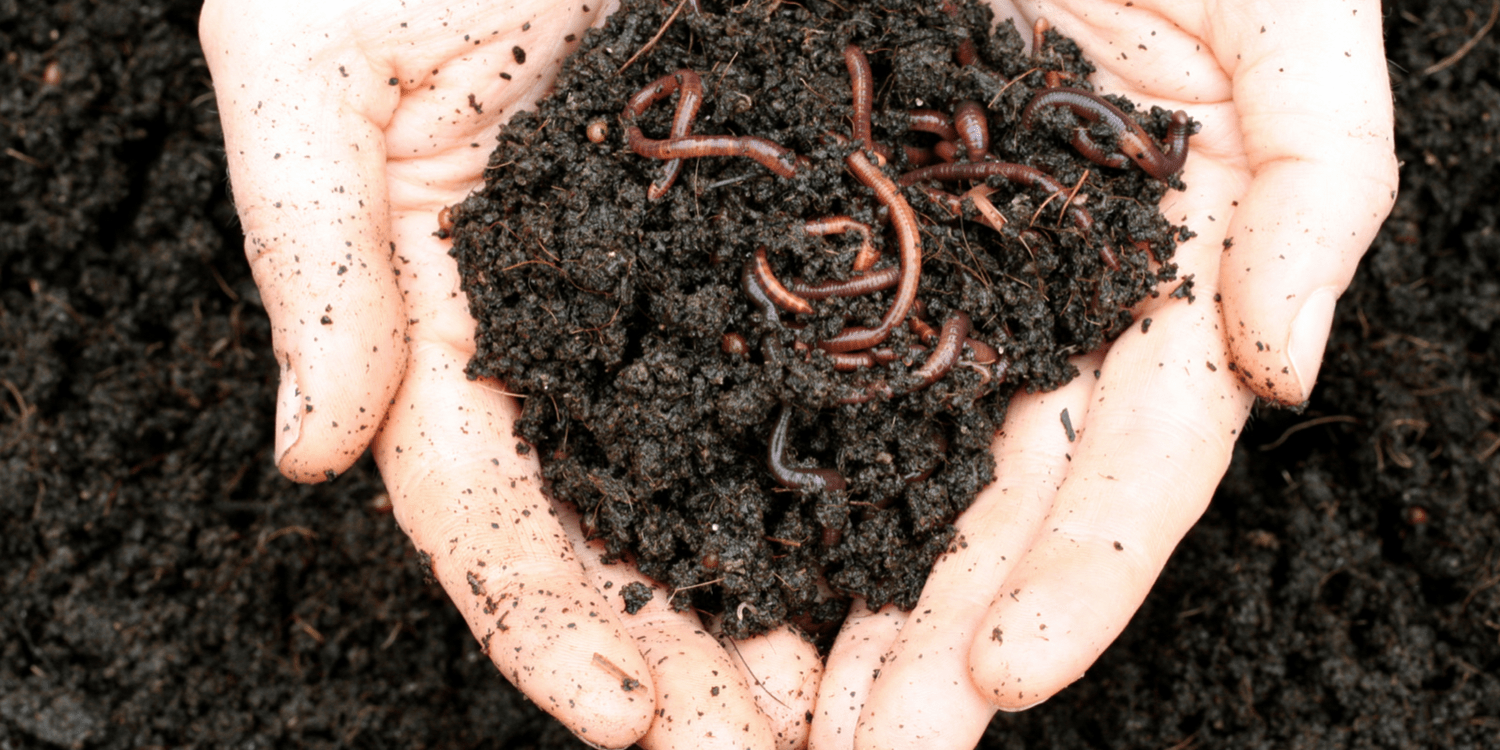
Not your typical earthworm
You may think those wiggly worms in your soil are helping your garden, but not so fast. Some species of earthworms, such as the Jumping Worm, can negatively impact soil and plant health. Why? Because Jumping Worms feast on organic matter in the soil, ultimately depriving plants of vital nutrients. As the soil loses nutrients, it becomes less dense and more like coffee grounds. The result? Plants struggle to thrive and soil erosion becomes a threat.
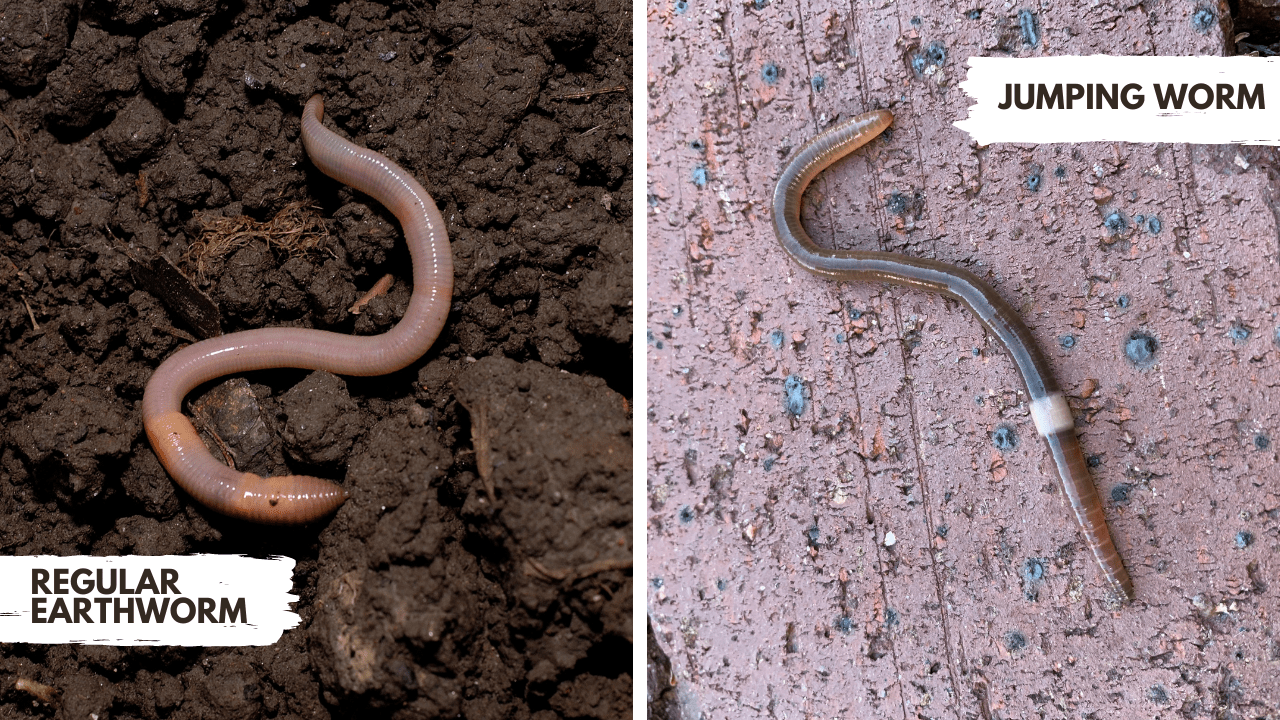
Jumping Worms can be identified by their smooth appearance and light-colored band.
Preventing Jumping Worms
Currently, there is little information on how to manage the spread of jumping worms. For this reason, prevention is recommended in ensuring the health of our soil and plants. Here are a few ways you can help prevent the spread of Jumping Worms.
- Source soil, mulch, and sod from reputable companies.
- Inspect new plants and remove any worms before installing.
- Do not purchase any worms labeled as “Jumping Worms” “Crazy Worms” “Alabama Jumpers” or “Snake Worms”.
- If you enjoy fishing, dispose your bait worms in the trash. Do not throw them back into the environment.
- Report Jumping Worm sightings to the Minnesota Department of Natural Resources – (651) 259-5090.
More information on the Jumping Worm and other invasive species can be found at the University of Minnesota Extension.
Meta title: Jumping Worms | Not Your Typical Earthworm
Meta description: You may think those wiggly worms in your soil are helping your garden, but not so fast. Some species of earthworms, such as the Jumping Worm, can negatively impact soil and plant health.
Slug: jumping-worms
Tags: Gardening, Nature
Place SEMRush Content Shake output here. then convert from Classic to Blocks.