
Storm Damage doesn’t end when the tree is removed
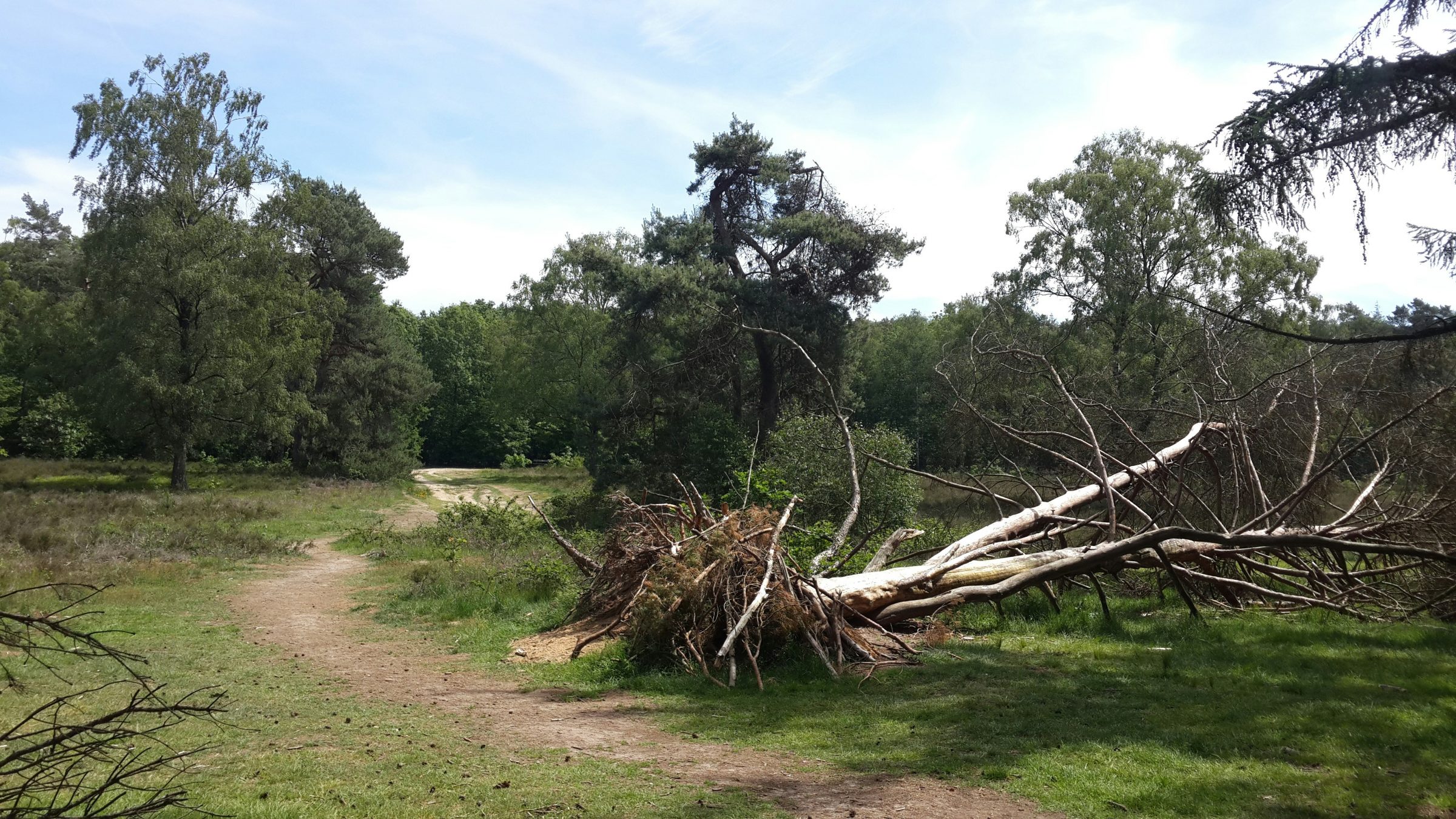
How Storm Damage Can Affect Drainage, Retaining Walls, Irrigation Systems, Landscape Lighting, and Long-Term Property Health
Storm Damage Doesn’t End When the Tree Is Removed
When severe weather moves through Minnesota, the most visible damage is often the easiest to spot.
A fallen tree across a lawn. A damaged planting bed. Broken branches scattered throughout the property.
For many homeowners, the immediate focus is understandably on cleanup and removal. Once the tree crew leaves, it can feel like the problem has been solved.
However, in many cases, the fallen tree was only the beginning.
Mature trees are deeply integrated into the landscape around them. Their roots influence drainage patterns, support surrounding soils, interact with retaining walls, and often share space with irrigation systems, landscape lighting, and hardscape features. When a large tree comes down, it can trigger a series of secondary issues that aren’t immediately visible.
Following recent storms across North Oaks and other Twin Cities communities, many homeowners are discovering that cleanup is only the first step in the recovery process.
Before moving on from storm cleanup, it’s worth taking a closer look at what else may have changed.
Start with the Rootball
One of the most common questions homeowners ask after a tree falls is:
Should the stump and rootball be removed or left in place?
The answer depends on several factors, including:
- The size and species of the tree
- The tree’s proximity to structures and hardscapes
- Future plans for the area
- Existing drainage conditions
- Whether retaining walls or utilities are nearby
In some situations, grinding the stump is sufficient. In others, complete removal may be beneficial—particularly if landscape restoration, grading improvements, or construction projects are planned.
Before making a decision, it’s important to understand how the root system is interacting with the surrounding property.
Don’t Overlook Drainage Changes
Large trees absorb significant amounts of water and play a major role in how moisture moves through a landscape.
When a mature tree is suddenly removed, homeowners may begin noticing:
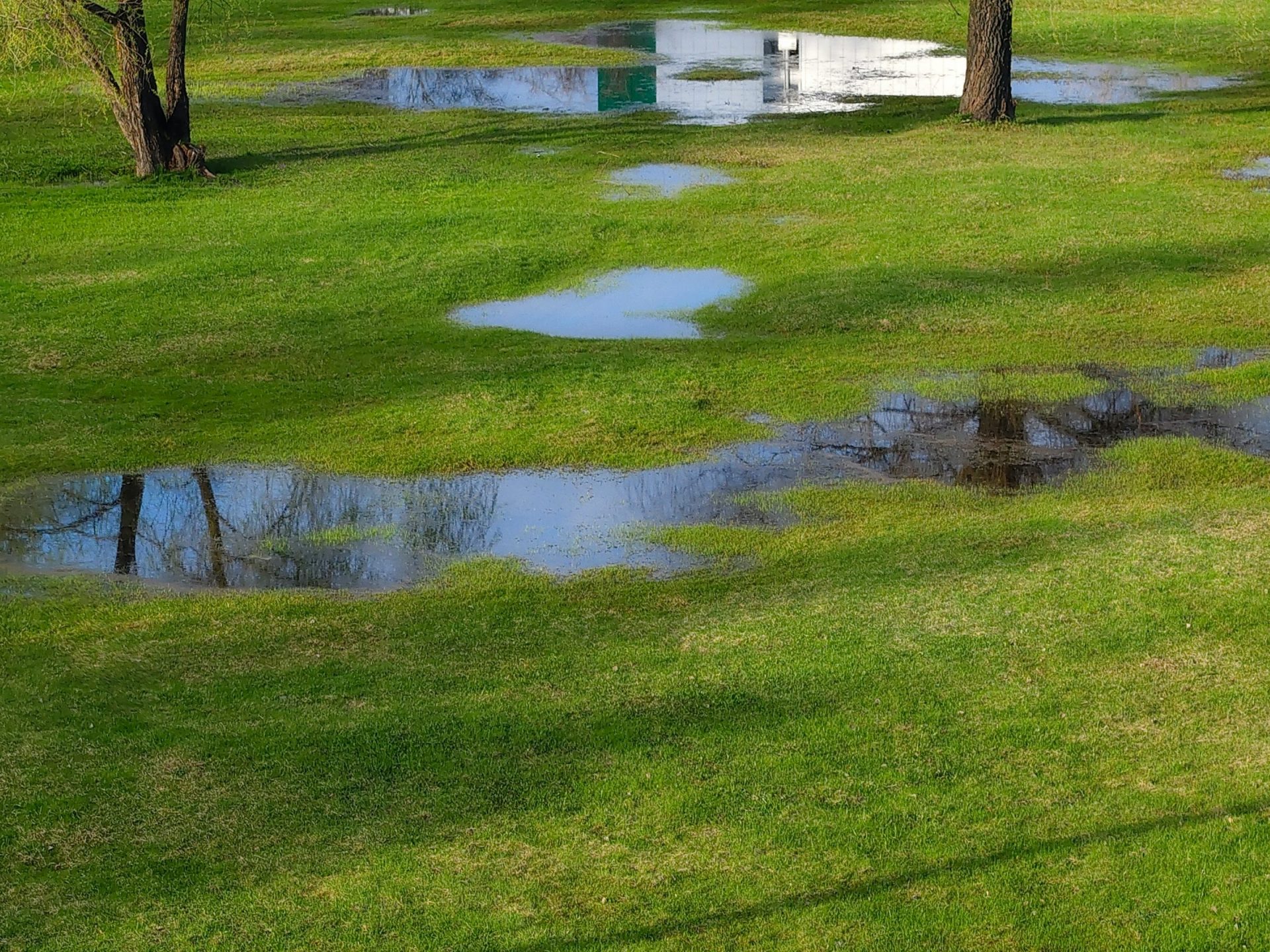
- Standing water
- Soggy lawn areas
- Increased runoff
- Soil erosion
- Water collecting near foundations
- Wet planting beds
Properties with existing drainage challenges can be especially susceptible.
A fallen tree may reveal issues that have been developing for years, or it may create entirely new ones by altering how water moves across the site.
What appears to be a tree problem can quickly become a grading and drainage problem.
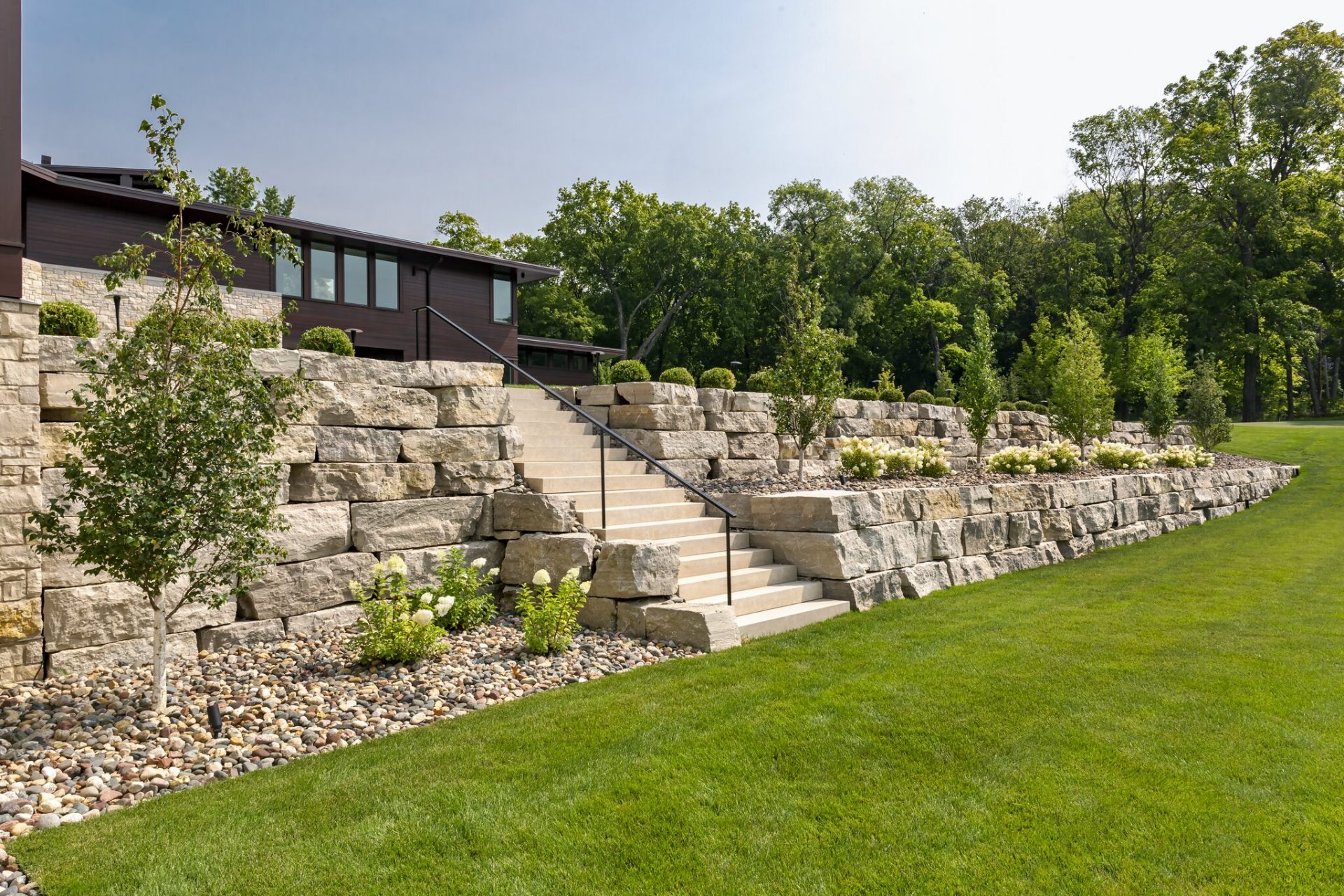
Inspect Nearby Retaining Walls
Large root systems and retaining walls often coexist for decades.
When a tree falls, the resulting movement can place significant stress on nearby structures.
Watch for signs such as:
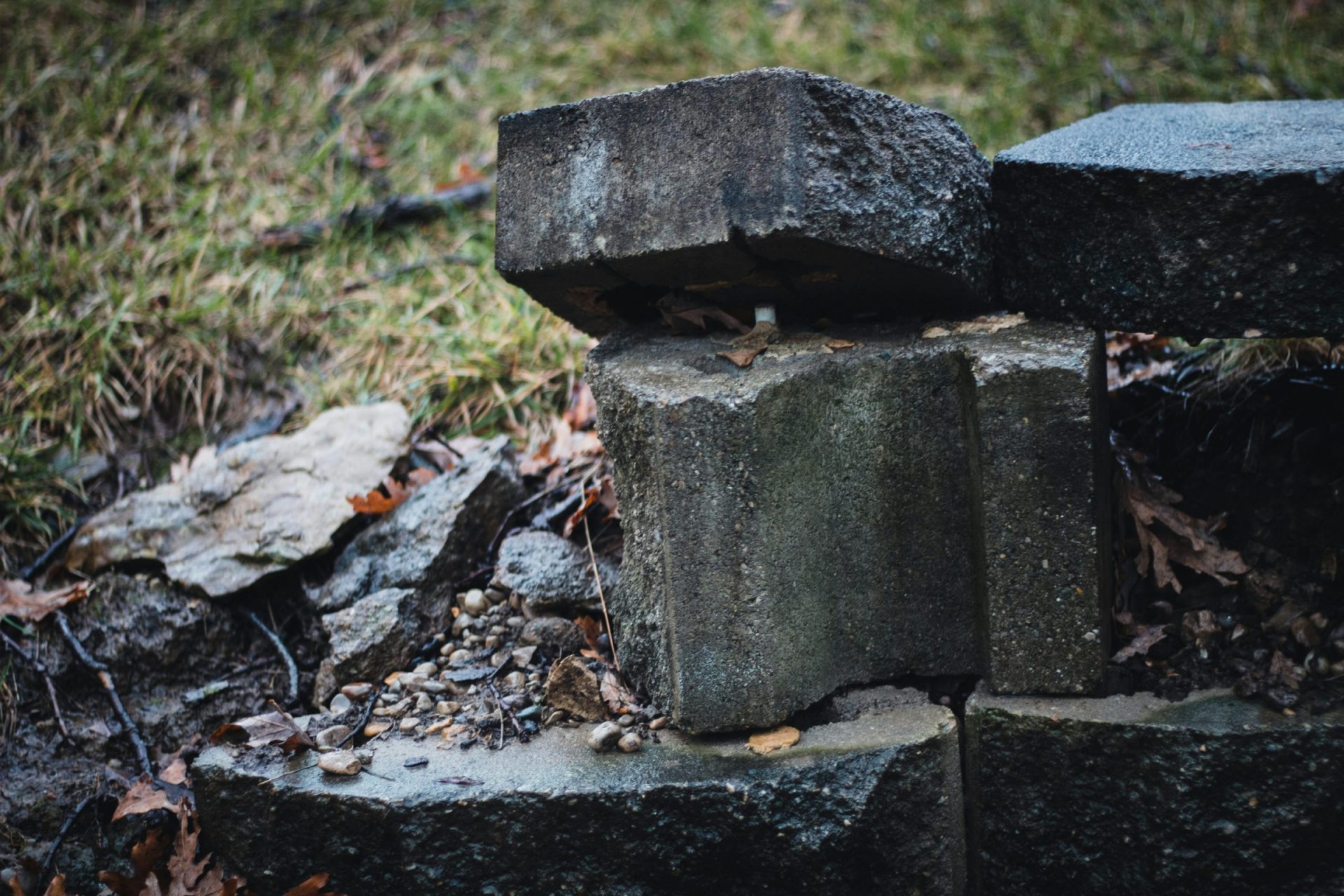
- Leaning walls
- Cracks
- Bulging sections
- Separated blocks or stones
- Soil loss behind the wall
- Settling or movement around the structure
Even if a retaining wall appears stable immediately after the storm, underlying damage may not become apparent until weeks or months later.
If a large tree was located near a retaining wall, a professional evaluation is often worthwhile.
Check Irrigation Systems
Many irrigation systems run directly through root zones.
When a tree falls or a stump is removed, irrigation components can be damaged, including:
- Lateral lines
- Mainlines
- Valve boxes
- Sprinkler heads
- Control wiring
In some cases, damage is obvious. In others, homeowners don’t discover issues until the next irrigation cycle or the following season.
A quick inspection can help identify problems before they become larger repairs.
Evaluate Landscape Lighting
Landscape lighting is another system that often goes unnoticed until something stops working.
Roots, fallen trees, and cleanup equipment can all impact:
- Low-voltage wiring
- Fixtures
- Transformers
- Connections
If portions of your lighting system suddenly stop functioning after a storm, the cause may be related to the tree removal process rather than the fixtures themselves.
Review Walkways, Patios, and Hardscapes
Mature tree roots can influence surrounding hardscape surfaces over time.
A storm may expose issues such as:
- Cracked sidewalks
- Uneven walkways
- Settling patios
- Shifting pavers
- Drainage problems around hardscape features
For many homeowners, storm recovery creates an opportunity to address improvements that were already under consideration.
Rather than simply restoring the landscape to its previous condition, it may make sense to evaluate whether the space could function better moving forward.
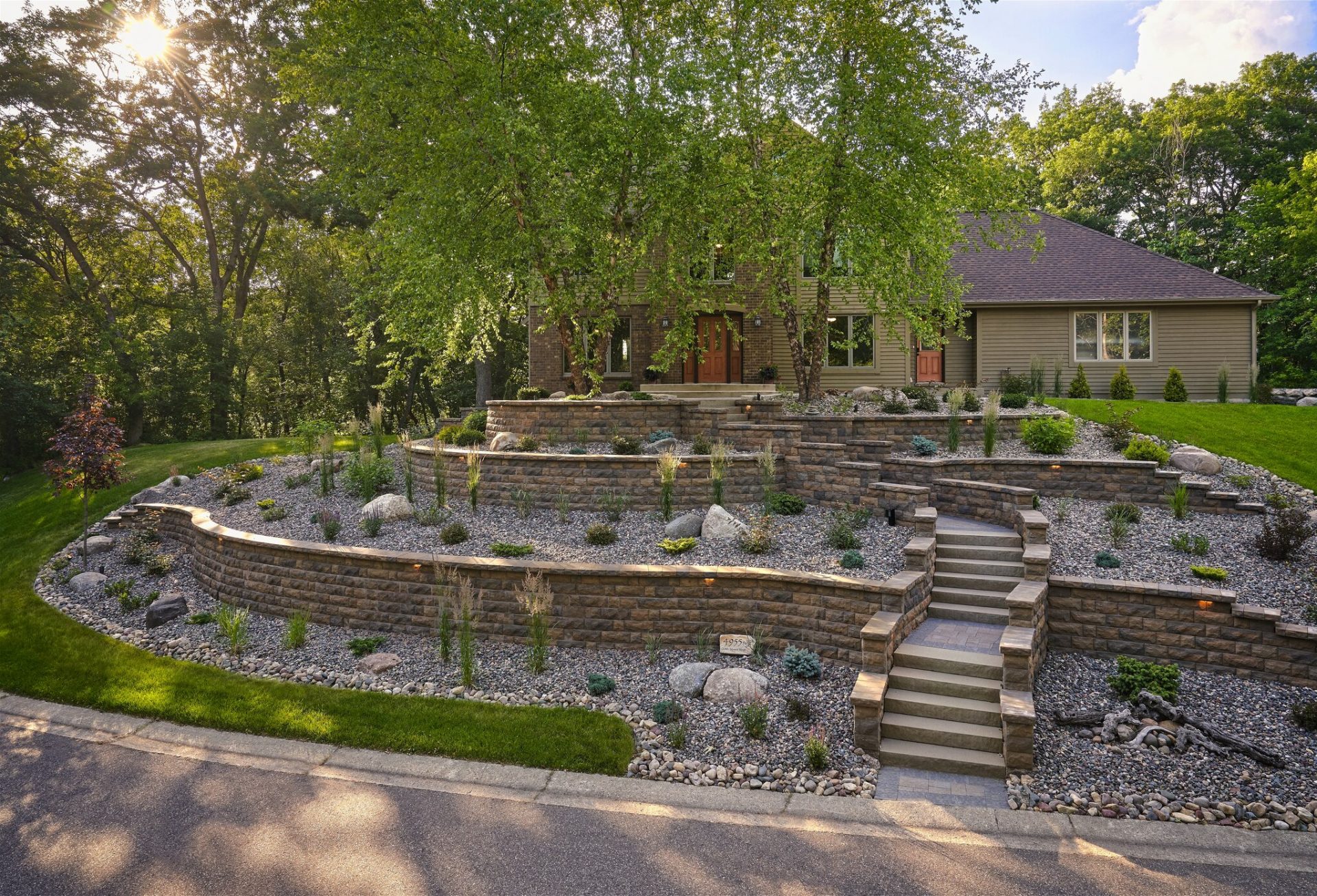
Consider How the Landscape Has Changed
The loss of a mature tree can dramatically change a property’s character.
Questions worth asking include:
- How has the sunlight changed?
- Are existing plants still appropriate for the area?
- Will privacy be affected?
- Does the landscape still feel balanced?
- Should replacement trees be planted?
- Is this an opportunity to redesign a portion of the property?
In many cases, the best long-term solution isn’t simply replacing what was lost.
It’s taking advantage of the opportunity to improve the property as a whole.
Storm Recovery Can Become Property Improvement
While storm damage is frustrating, it often reveals issues that homeowners didn’t know existed.
A fallen tree may uncover:
- Drainage deficiencies
- Retaining wall concerns
- Irrigation problems
- Lighting damage
- Hardscape failures
- Opportunities for landscape renovation
What begins as cleanup can become an opportunity to strengthen and improve the long-term health, functionality, and beauty of your property.
Schedule a Storm Recovery Property Review
If your property experienced tree loss, erosion, drainage issues, retaining wall movement, or landscape damage following recent storms, our team can help evaluate the full impact and develop a plan for recovery.
Our team can assess:
- Drainage and grading impacts
- Rootball and stump considerations
- Retaining walls
- Irrigation systems
- Landscape lighting
- Hardscape features
- Restoration and replanting opportunities
The tree may be gone, but understanding what comes next can help protect your property and create a clear plan for moving forward.
Storm Damage Property Review Checklist
- Inspect retaining walls
- Evaluate drainage changes
- Check irrigation zones
- Test landscape lighting
- Assess hardscapes
- Review replanting opportunities