The Minnesota Fall Lawn Care Guide: From Winter Prep To Spring Design Planning
Fall Lawn Care In Minnesota: Aerate, Winterize, And Design Ahead
This comprehensive fall guide from Southview Design details essential autumn property care, irrigation blowouts, landscape project planning, and fire feature design for Twin Cities homeowners. Learn how fall lawn care, aeration, tree protection, and early project design protect your property through winter and position you for a seamless spring construction start.
Use the links below to jump directly to any section of our guide:
- Why Fall Is the Best Time to Plan Next Year’s Landscape Project
- Preparing Your Minnesota Landscape for Winter
- Extending Your Season: Hardscape Fire Features & Outdoor Heating
- Landscape Renovation: What to Keep, Change, or Start Over
- Securing Winter Snow Removal Services
- Partnering with Southview Design
Minnesota homeowners often view autumn as a transition phase: a time to pack away patio furniture, wrap up fall lawn care, and let the yard rest until spring. Stepping away too soon, however, leaves your yard vulnerable. Unprotected irrigation lines, compacted turf, and exposed trees face preventable wear over winter. At the same time, delaying project design until May typically leads to longer permit wait times and a shorter season to actually enjoy your new space.
Taking a few proactive steps in autumn gives your landscape the protection it needs to wake up vibrant in spring. And if a major update like a custom patio, pool, or deck is on your horizon, fall is the ideal time to begin design work.
Whether you are prepping your landscape for sub-zero weather or getting a head start on next year’s vision, this guide outlines how to safeguard, plan, and elevate your Minnesota property.
Why Fall Is the Best Time to Plan Next Year’s Landscape Project
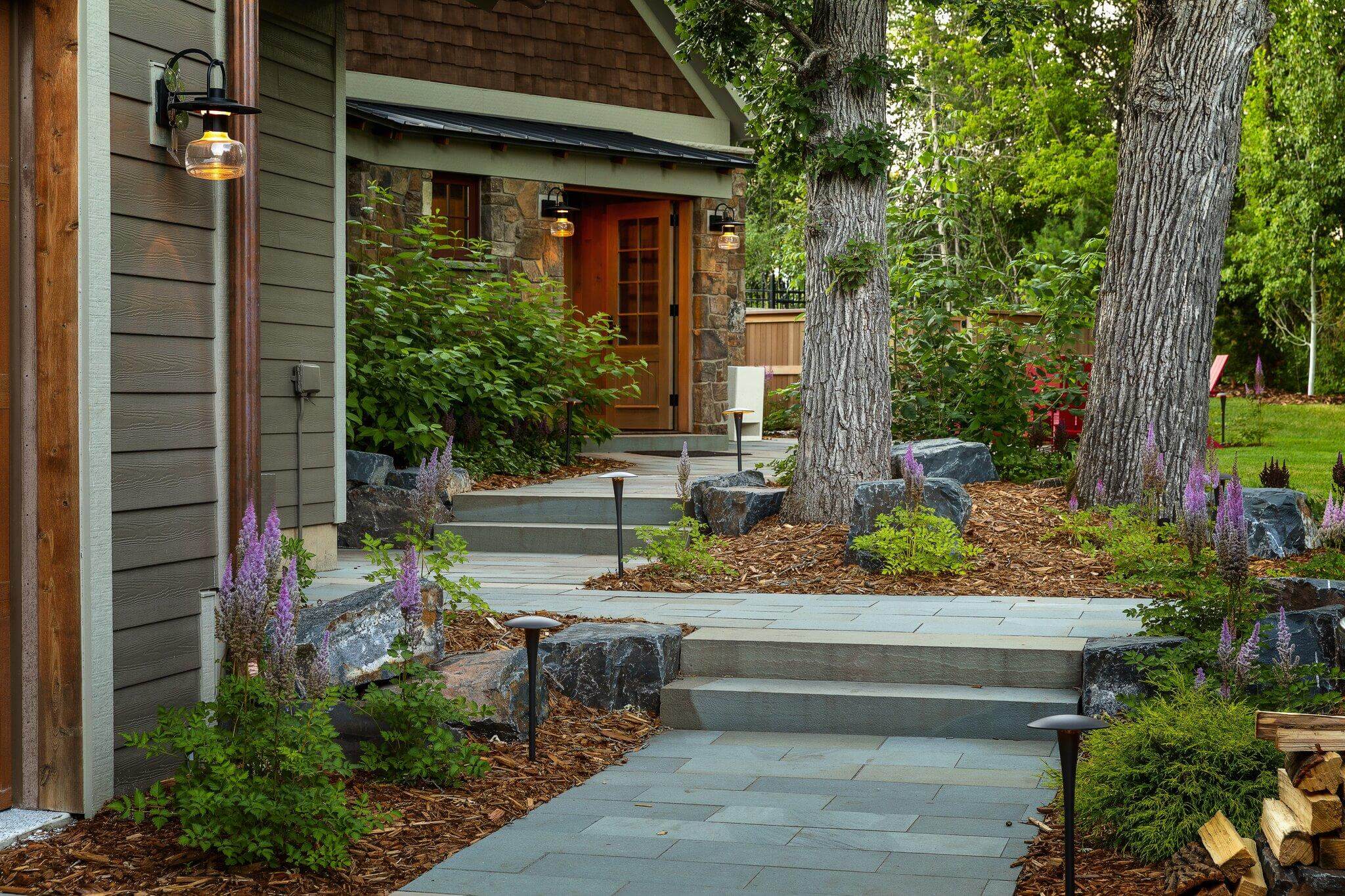
It’s natural for homeowners to think about landscape planning as something that begins when the grass turns green. However, waiting until spring often leads to delayed start dates, rushed design decisions, and losing valuable weeks of summer yard use. Initiating your design-build conversation in the fall gives your project significant advantages.
Here are the key factors to keep in mind when mapping out your timeline:
Design Lead Times & Municipal Approvals
Comprehensive landscape transformations require 6 to 12 weeks of pre-construction development. Designing over the fall and winter months allows ample time for site surveys, 3D architectural rendering, material selection, and thoughtful design revisions. Crucially, starting early gives you a head start on necessary regulatory reviews. Municipal permits and Homeowners Association (HOA) approvals routinely take 2 to 8 weeks depending on the city. For lakefront properties, review processes through the Minnesota DNR or local Watershed Districts—such as the Minnehaha Creek Watershed District—add similar lead time.
Getting Ahead of Spring Demand & Material Selection
Spring construction schedules fill up fast. Securing your design and contract during the autumn months reserves your place at the front of the line the moment frost laws lift in spring. Furthermore, selecting custom stone, high-performance concrete pavers, and specialty timber early prevents project delays caused by mid-season supply chain shortages.
Accurate Site Evaluations Before the Snow
Evaluating site conditions such as grade changes, soil drainage patterns, sun exposure, and tree canopies is vastly more accurate when your yard’s true contours are fully visible before snow covers the ground. Catching these structural details early prevents unexpected site prep surprises and costly design adjustments during construction.
Preparing Your Minnesota Landscape for Winter
Minnesota winters are brutal on turf, ornamentals, and irrigation infrastructure. Taking proactive measures in autumn shields your living landscape investment against frost heave, sub-zero winds, and rodent damage.
Whether you tackle these projects yourself or partner with a professional team for comprehensive seasonal landscaping services, focus your late-season property prep on these key maintenance areas:
Irrigation Shutdown and Blowouts
Learning how to winterize a sprinkler system is essential to preventing catastrophic pipe damage. Water left inside underground lines freezes, expands, and shatters zone valves, manifold assemblies, and backflow preventers. Properly winterizing your sprinkler setup requires specialized, high-volume air compressors to completely purge trapped moisture from underground lines. Attempting to figure out how to winterize sprinkler system lines without professional blowout equipment often leaves water settling in low-lying zones, leading to split pipes and expensive repairs come spring.
Lawn Care, Aeration, and Overseeding
Autumn is the ideal window for turf restoration. Warm soil temperatures combined with cool fall air encourage strong root development without the stress of summer heat or aggressive weed competition.
Focus your fall lawn care strategy on two key steps:
- Aeration and Overseeding: Core aeration pulls soil plugs to relieve compaction, opening channels for oxygen, water, and nutrients. Pairing this with overseeding fills in bare patches and thickens grass density.
- Fall Fertilizer: A nitrogen-rich fall fertilizer, often sold as a “winterizer,” is one of the best things you can do for your lawn. Because cooler temperatures slow top growth, that nitrogen goes mainly toward root development and stored energy, helping your lawn survive winter and green up faster in spring.
Planting Perennials, Trees, and Shrubs
Cool autumn temperatures combined with warm soil create ideal conditions for root establishment. Planting certain perennials in fall—such as Peonies, Sedum, Coneflower, and Salvia—allows their roots to settle in without the moisture stress of mid-summer heatwaves. Once your late-season plantings are in the ground, take the following steps to protect your existing trees and woody shrubs through Minnesota winters’ freeze-thaw cycles:
Pruning, Plant Protection, and Tree Wrapping
Protecting sensitive plantings prevents severe winter loss. Focus your plant care efforts on these two protective measures:
- Pruning Shrubs in Fall: Limit autumn cuts to dead, diseased, or broken branches. Avoid heavy structural pruning, which triggers tender late-season growth that’s easily damaged by winter freezes.
- Tree Wrap and Burlap Guards: Bright winter sun bouncing off snow causes sunscald and bark splitting on young, thin-barked trees like Maples and Serviceberries. Applying protective tree wrap from the base up to the first branches shields trunks from rapid freeze-thaw cycles. Wrapping trees in burlap or installing wire guards around evergreen shrubs also prevents hungry rabbits and deer from stripping bark.
Fall Cleanup, Leaf Removal, and Drainage Prep
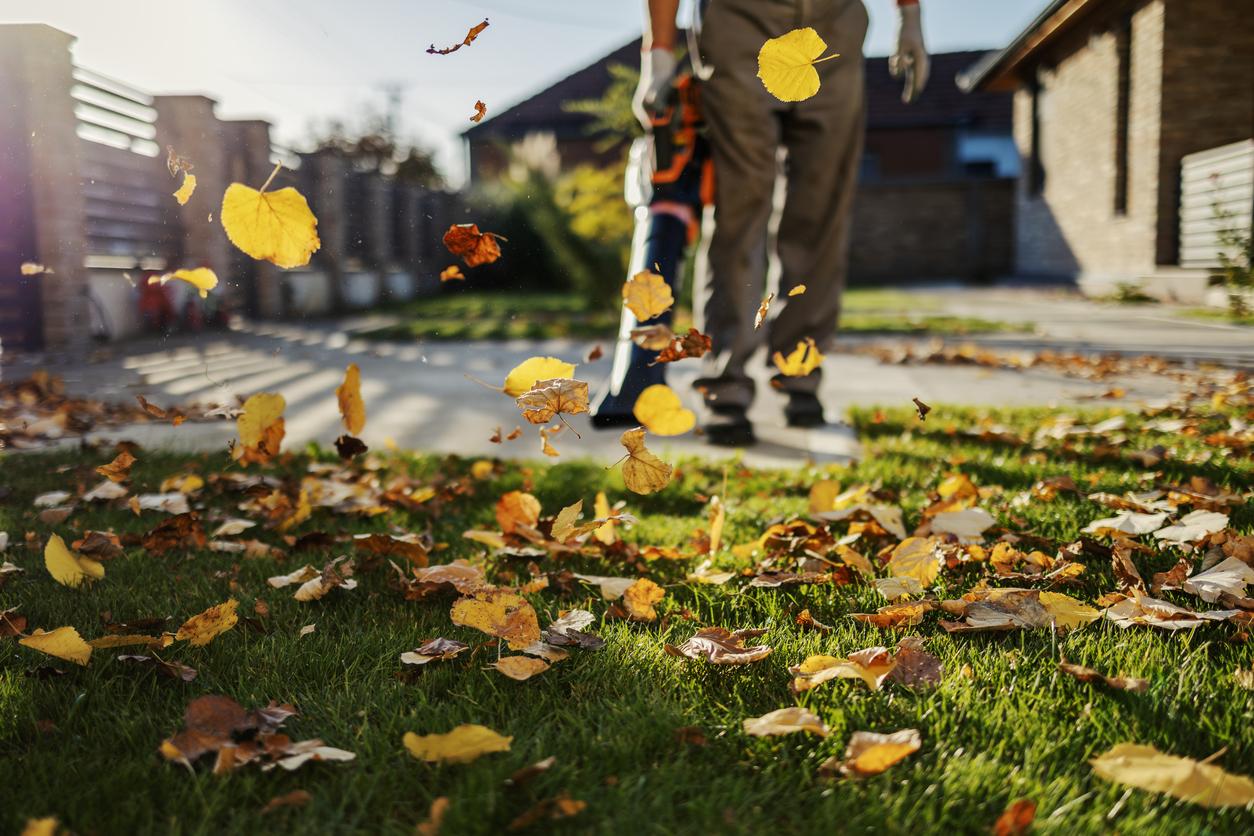
Leaving matted leaves on your lawn traps moisture, smothers turfgrass, and encourages snow mold. Timely leaf removal prevents dead patches in spring. Along with clearing leaves, be sure to clean out dry creek beds, French drain outlets, and window wells to ensure late-autumn rains and spring snowmelt flow safely away from your home.
For a complete timeline of tasks to keep your yard on track year-round, check out our comprehensive seasonal checklist.
Extending Your Season: Hardscape Fire Features & Outdoor Heating
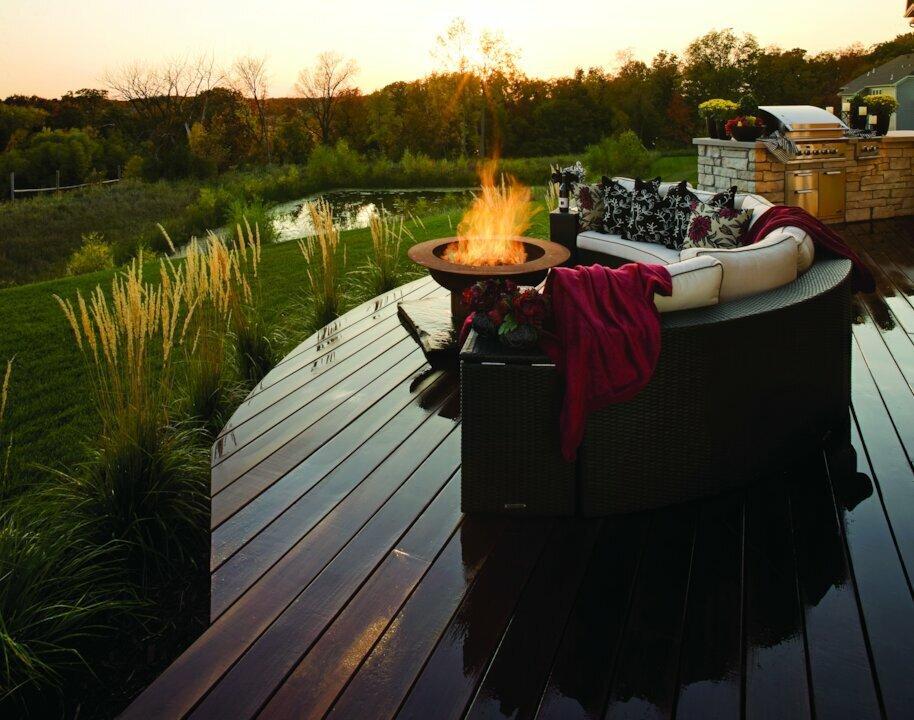
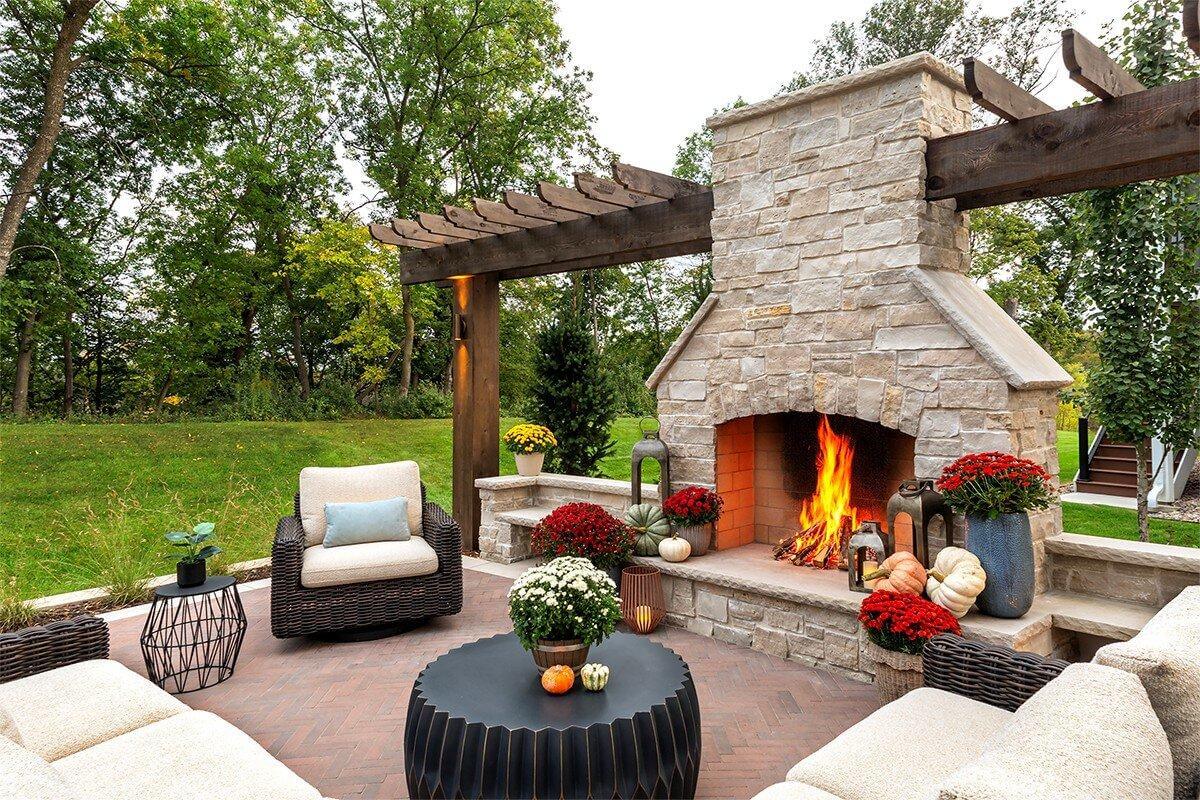
Adding a custom warming element transforms a patio into a true three-season living space, allowing you to enjoy your yard from early spring through late autumn. Choosing the right fire feature depends on your footprint, entertaining goals, and architectural preferences.
Fire Feature Options & Materials
- Custom Masonry Fireplaces: Built with natural stone veneer, concrete block, or brick, wood-burning fireplaces create an architectural focal point while acting as a wind barrier and privacy screen. Smoke is channeled upward, keeping the immediate seating area clear.
- Built-In Fire Pits: Using natural fieldstone, wet-cast concrete pavers, or granite caps, fire pits offer 360-degree warmth that’s ideal for gathering larger groups without blocking sightlines across the yard.
- Gas Fire Tables & Bowls: Typically constructed from cast concrete or powder-coated aluminum, gas fire tables provide push-button warmth without smoke or ash cleanup, making them great for low-maintenance spaces or areas close to covered structures.
Seating Layouts, Safety & Clearance
- Safe Placement: Minnesota’s State Fire Code requires wood-burning fire pits to sit at least 25 feet from buildings and combustible materials, and many cities have additional rules. Keep fire features clear of overhanging tree canopies, and always check with your city about setbacks and spark arrestors before you build.
- Traffic Flow & Comfort: Plan for 30 to 36 inches of clearance between the fire feature and surrounding seating. This gives guests ample room to pull back chairs or walk past without feeling crowded by the heat.
Smart Design & Infrastructure Integration
To maximize comfort, pair your fire feature with built-in retaining or seat walls, low-voltage accent lighting, and wind-blocking plantings to create a cozy outdoor microclimate. Integrating these features early in your design phase ensures gas utility lines, electrical conduits, and heavy footings are installed before pavers are laid—preventing costly tear-outs and retrofits later.
Landscape Renovation: What to Keep, Change, or Start Over
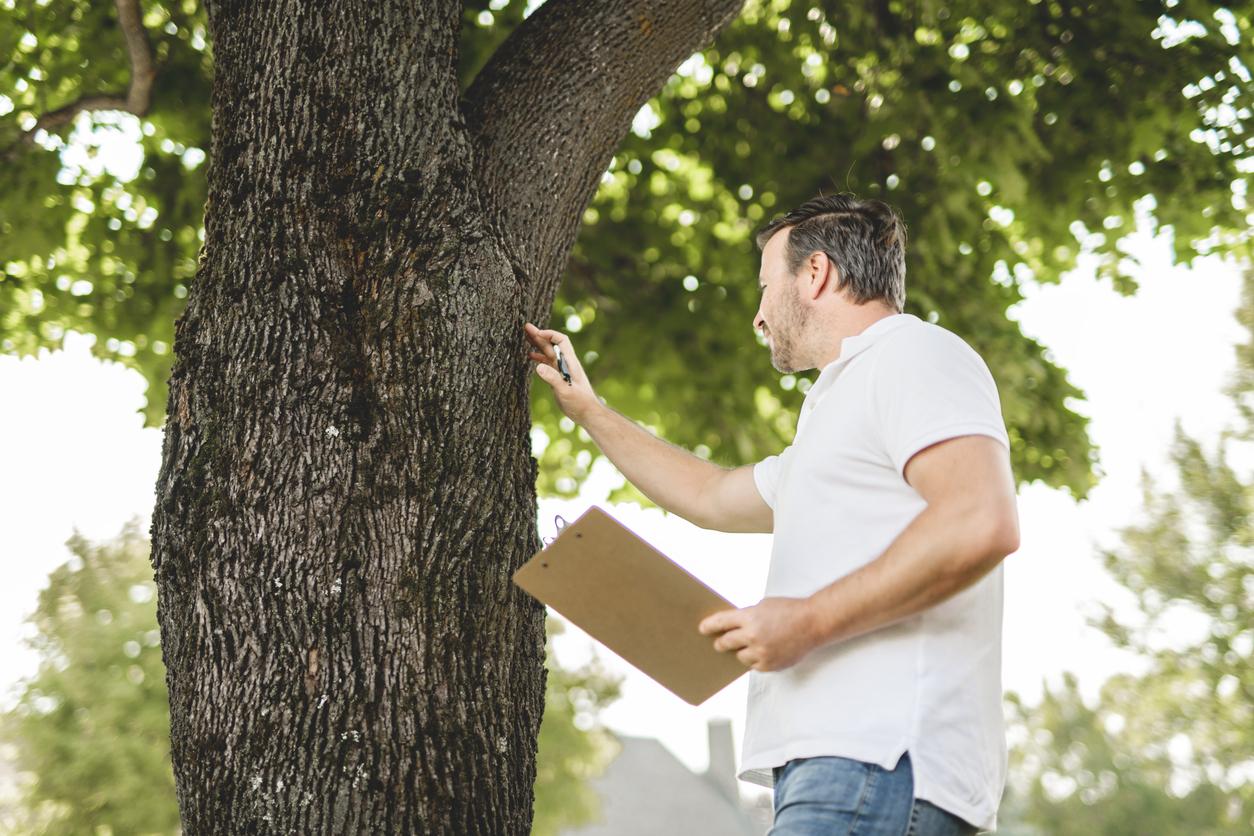
Over time, even beautifully built landscapes become overgrown, outdated, or structurally fatigued. Autumn provides an opportune window to walk your property with a landscape architect to evaluate mature features and plan strategic renovations.
Focus your evaluation on the following areas:
Evaluating Mature Landscapes and Overgrown Plantings
Deciding what to keep versus what to remove comes down to plant health and how well a tree or shrub fits the space. Mature shade trees that anchor the site should be preserved and protected. Conversely, overgrown foundation shrubs planted decades ago often block window sightlines, crowd walkways, and harbor root rot. Replacing leggy, overgrown shrubs with modern cultivars restores balance and visual breathability.
Patio and Hardscape Renovations
Aging poured concrete patios often display severe cracking, frost heave, and uneven settlement. Renovating your patio using high-performance concrete pavers or natural stone creates a durable surface designed to move independently with soil expansion. Incorporating low stone retaining walls, custom steps, and updated border soldier courses revitalizes the visual appeal while correcting underlying drainage problems.
Phased Improvement Plans
Complex site updates do not need to happen all at once. Master planning allows you to execute updates in logical phases—such as building the patio and fire feature in Phase 1, followed by pool installation or shoreline stabilization in Phase 2—ensuring consistent aesthetics across every build cycle.
Securing Winter Snow Removal Services
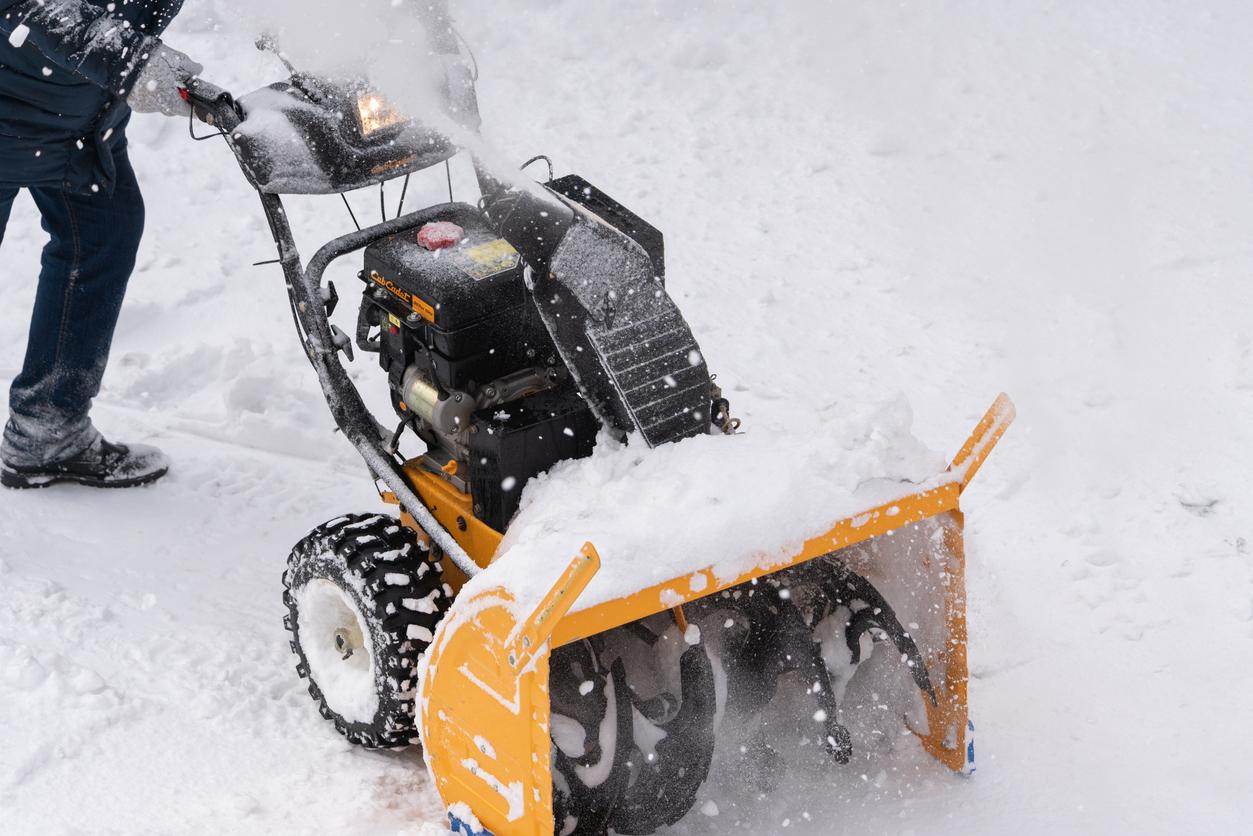
When fall arrives, winter is never far behind. Waiting until the first major snowstorm hits the Twin Cities to find a reliable snow removal service often leaves you stranded with long wait times and an unserviced driveway.
Securing your snow contract in early autumn helps secure your spot on our service routes. Southview Design provides reliable winter management—including prompt driveway clearing, walkway shoveling, and ice-melt application—so you can rest easy knowing your property will stay safe and accessible all season long. To arrange winter management for your property, request a quote with our team today.
Partnering with Southview Design
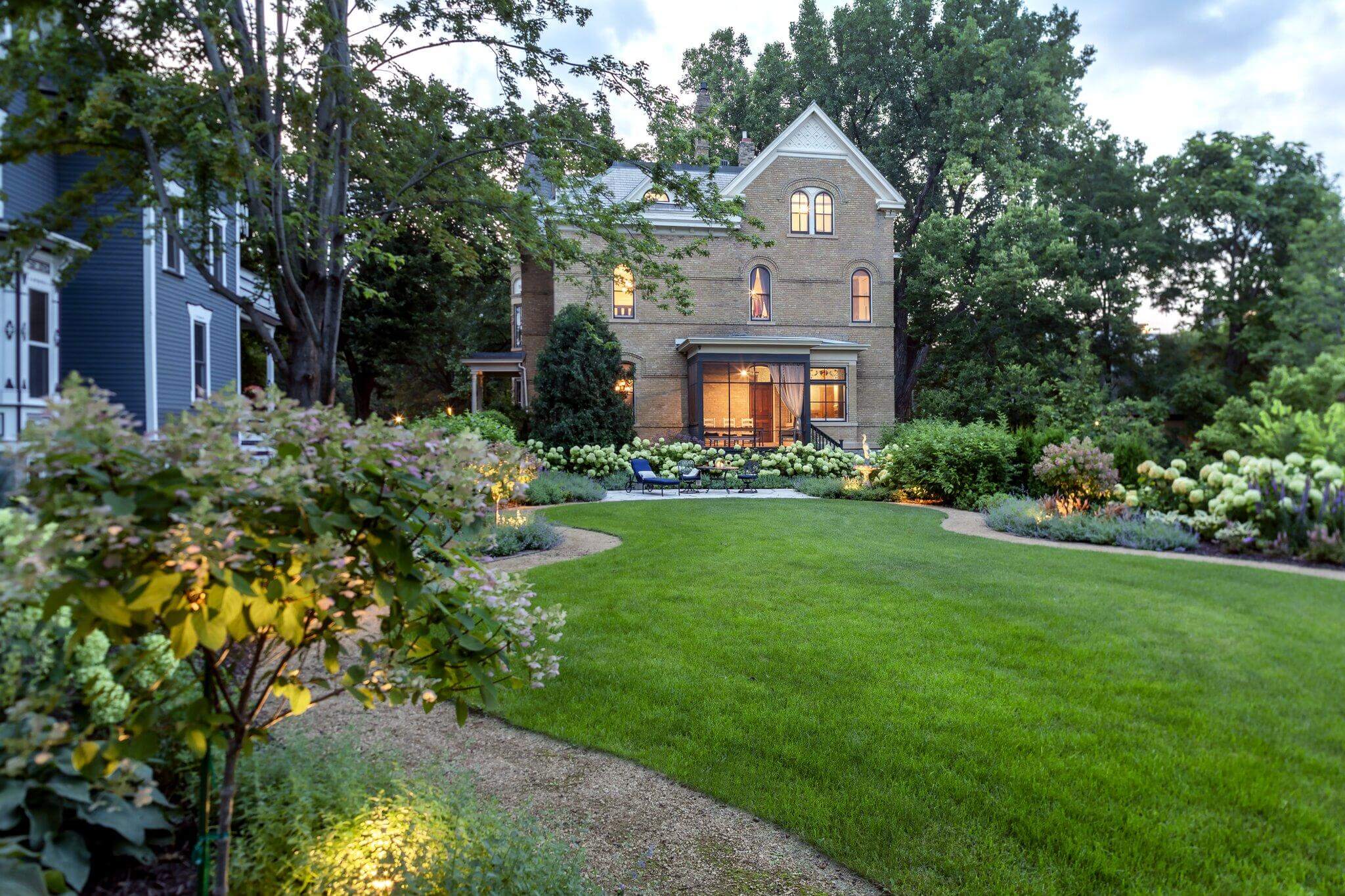
Managing your property’s fall prep and long-term design goals is far easier when every specialist is aligned under one roof. When site engineers, landscape architects, master carpenters, fine gardeners, and irrigation technicians collaborate on a single team, every phase of your project is executed with precision.
Southview Design provides complete design-build and seasonal maintenance services across the Twin Cities metro:
- Seasonal Property Care: Irrigation blowouts, fall lawn aeration and overseeding, leaf cleanup, plant protection, and snow removal service.
- Master Landscape Planning: 3D design rendering, site engineering, line-item budgeting, and municipal permit handling.
- Custom Hardscapes & Carpentry: Paver patio designs, outdoor fireplaces, seat walls, timber pergolas, and composite decks.
- Waterfront & Drainage Solutions: French drains, regrading, dry creek beds, and Minnesota DNR-compliant shoreline restoration.
Ready to winterize your property or start planning next year’s outdoor living space? Connect with Southview Design today to schedule your consultation.
Tags: