
Alternatives to Sod: Tired of Turf?
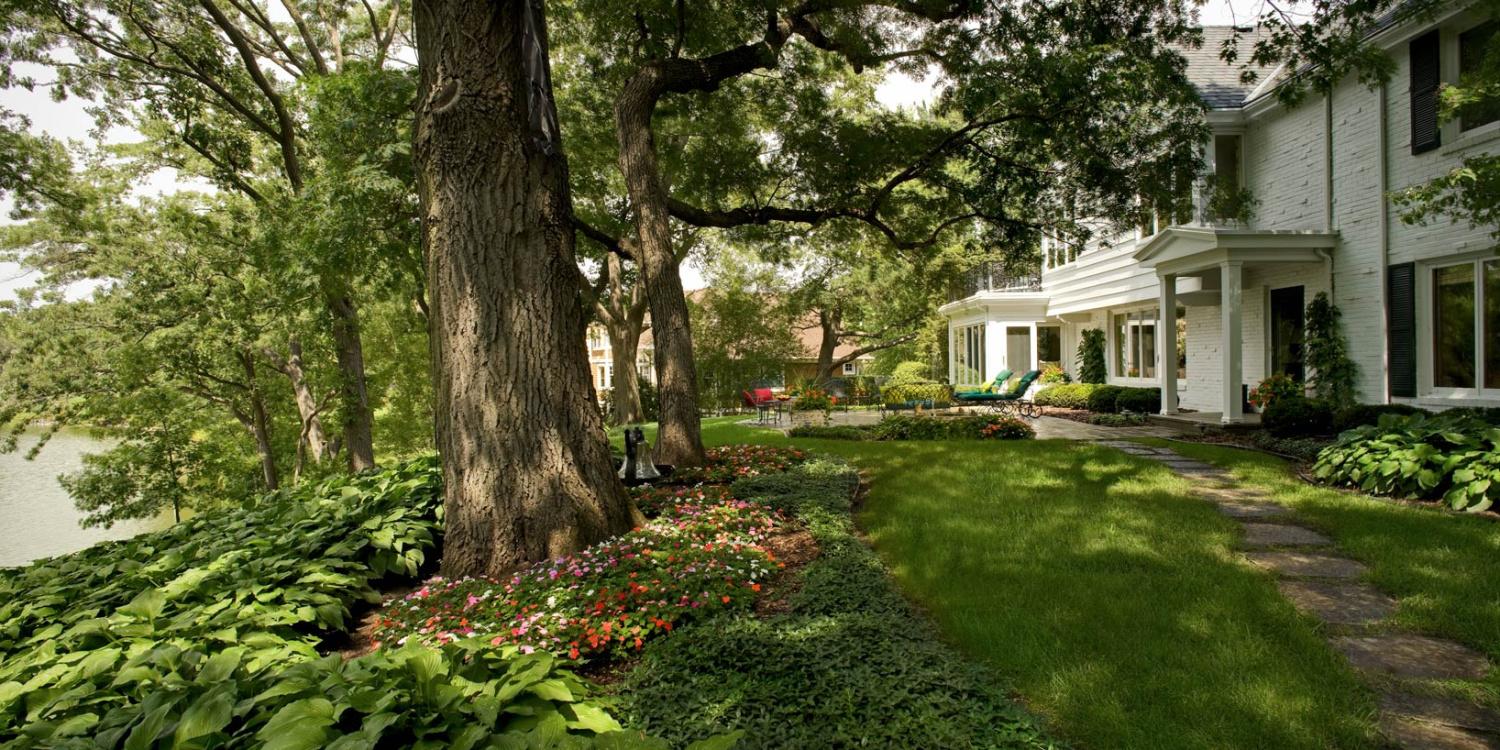
It’s been a hot and very dry summer. You may even be stressing over how your lawn looks. Like a high-maintenance hairstyle, it takes effort to keep it looking good. While lush, green grass is aesthetically pleasing, it takes a toll on the environment. If you are ready to give up and try something different, these alternatives to sod require less water, less fertilizer, and less effort to maintain. Whether you replace some or all of your lawn is up to you. Sometimes less is gorgeous!
Gardens and Grasses
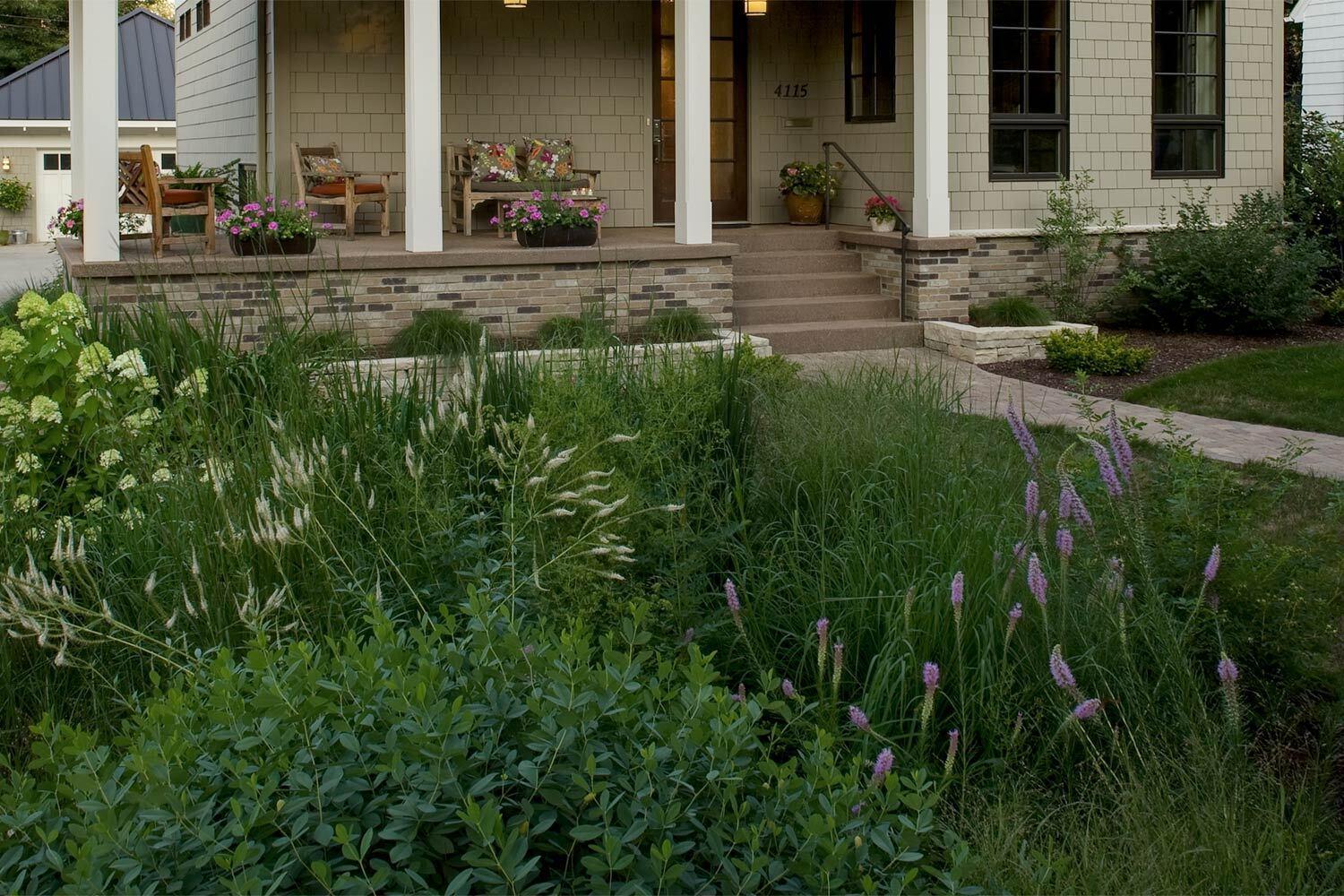
Raingarden in Minneapolis uses native wildflowers and grasses to capture and filter runoff.
Give your home a more natural feel by planting a garden. Native plants and grasses will attract pollinators to your yard and require less water and nutrients than sod.
Visit the University of Minnesota Extension website for more information on creating a prairie garden.
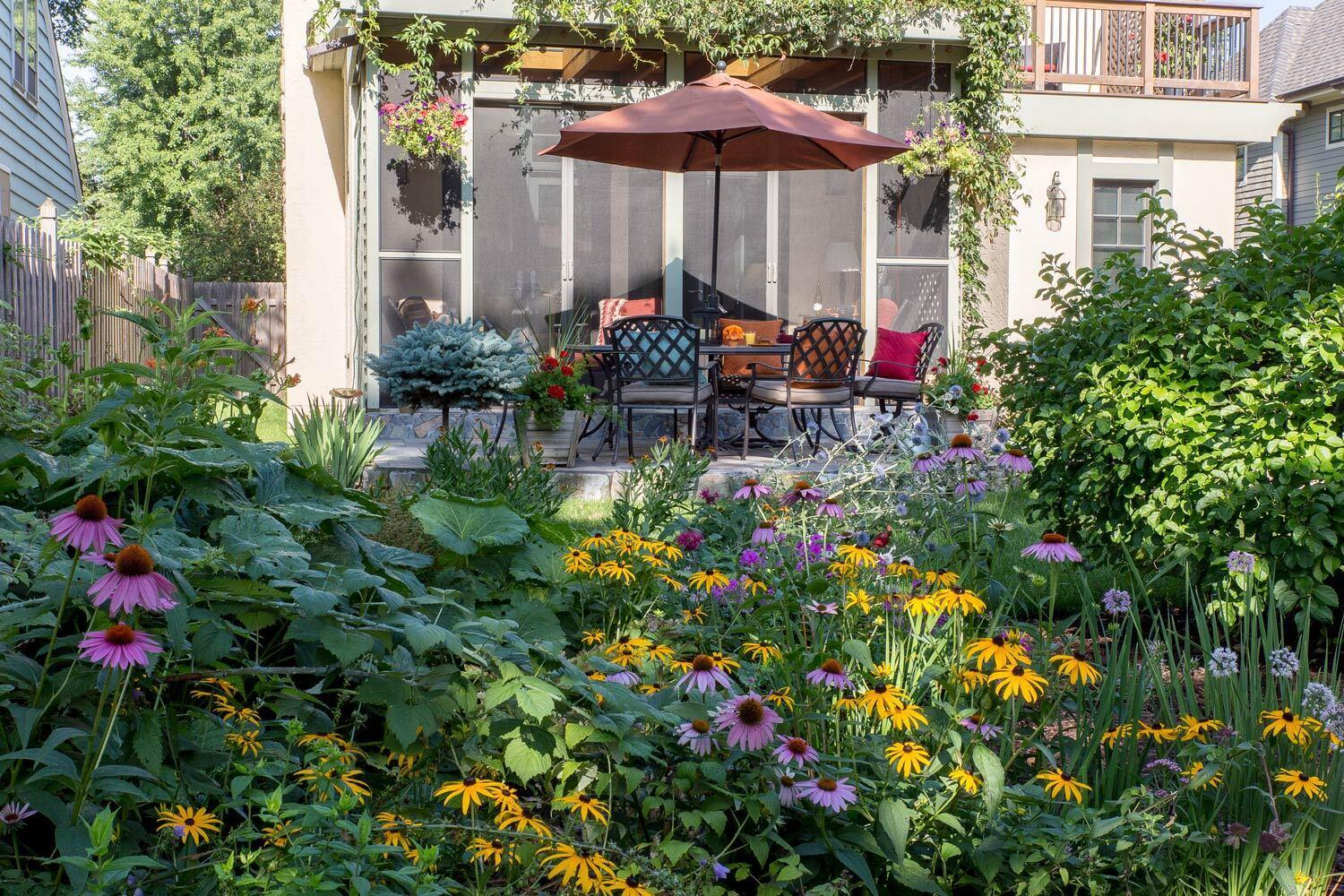
Cheerful black-eyed susans and purple coneflowers are easy to grow instead of lawn.
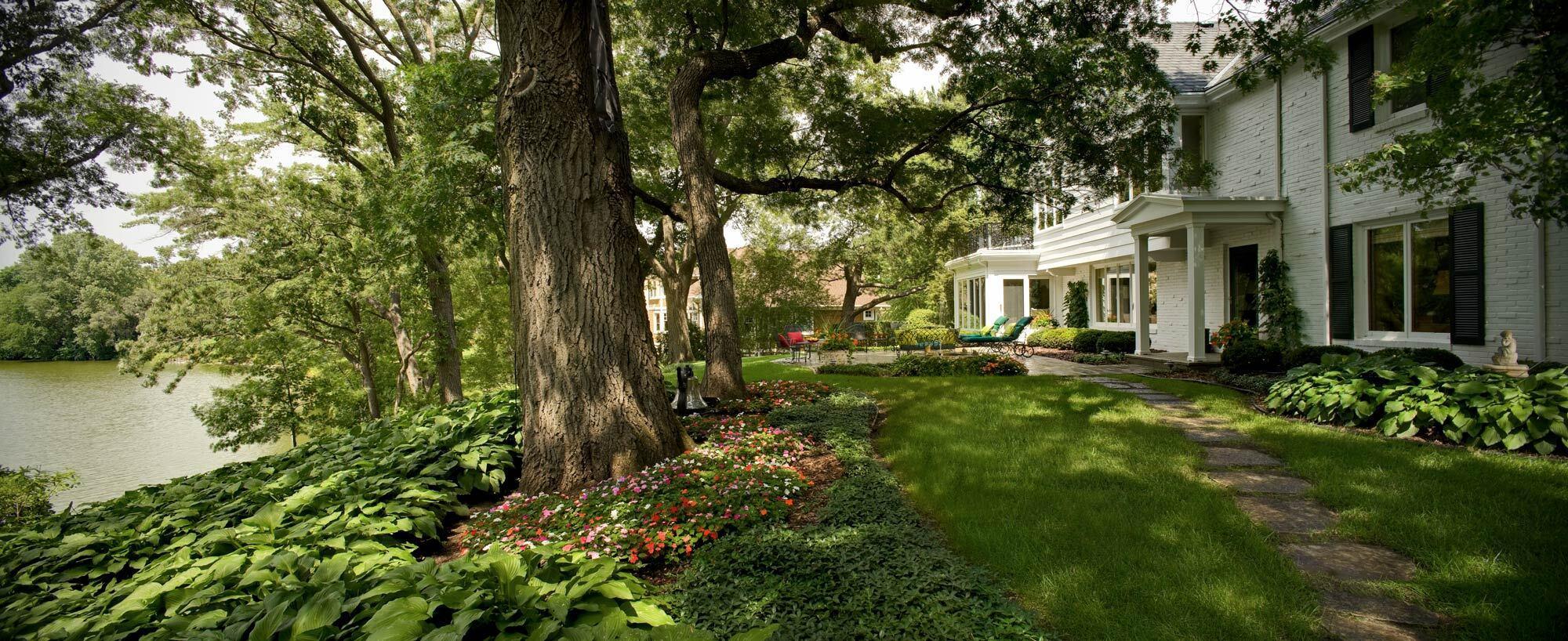
Under trees, in north-facing beds, and in shady spots hardy hostas often thrive where turf won’t.
Groundcover
Groundcovers attract pollinators and can improve soil health. They also add beauty and variety to your landscape. Groundcovers are great for areas where you want to preserve a great view. Prairie Dropseed is an example of a low mounding grass and it fills in with a sod-like look to it.
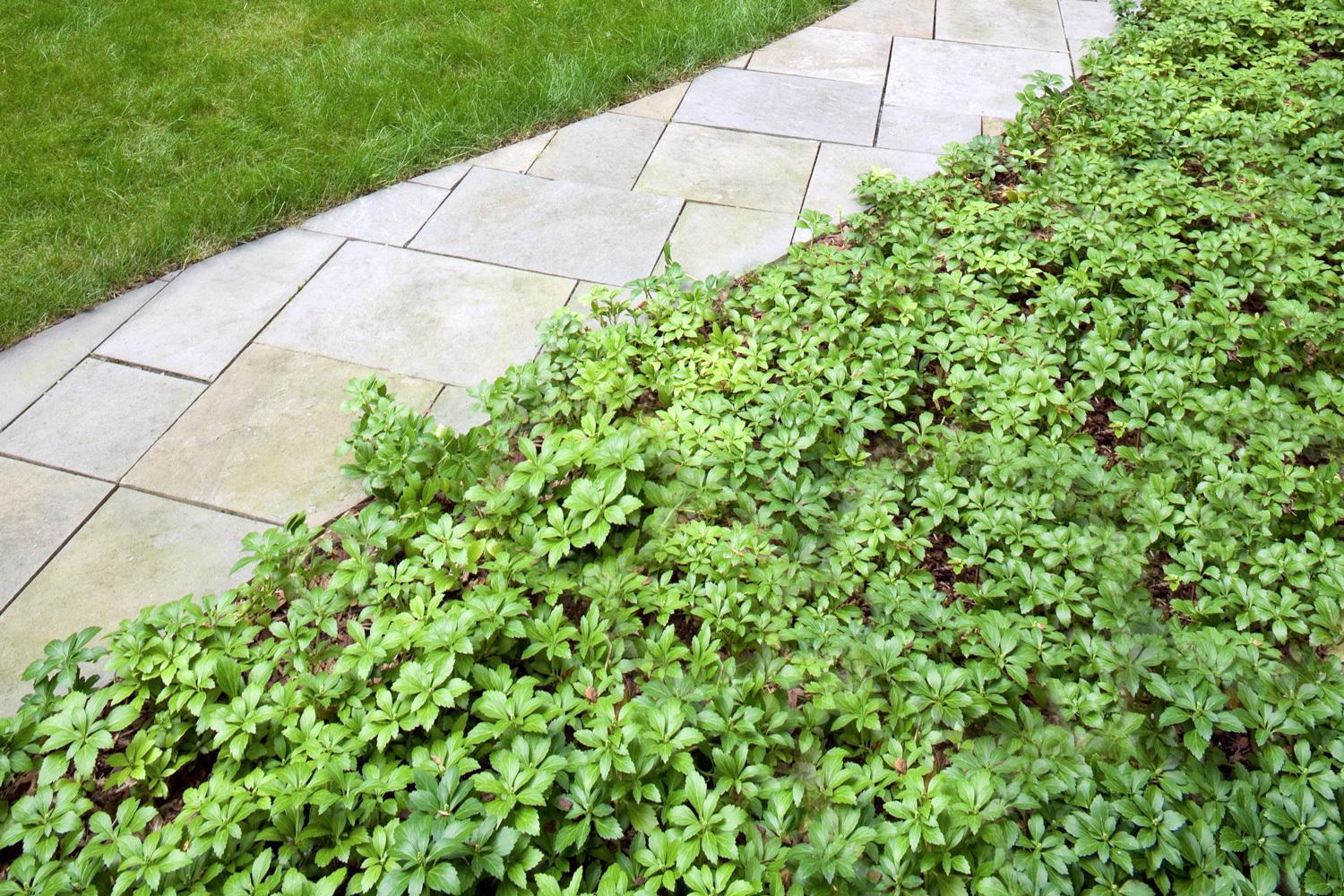
Pachysandra spreads nicely, but is easily contained. Its white flowers are fragrant in the spring.
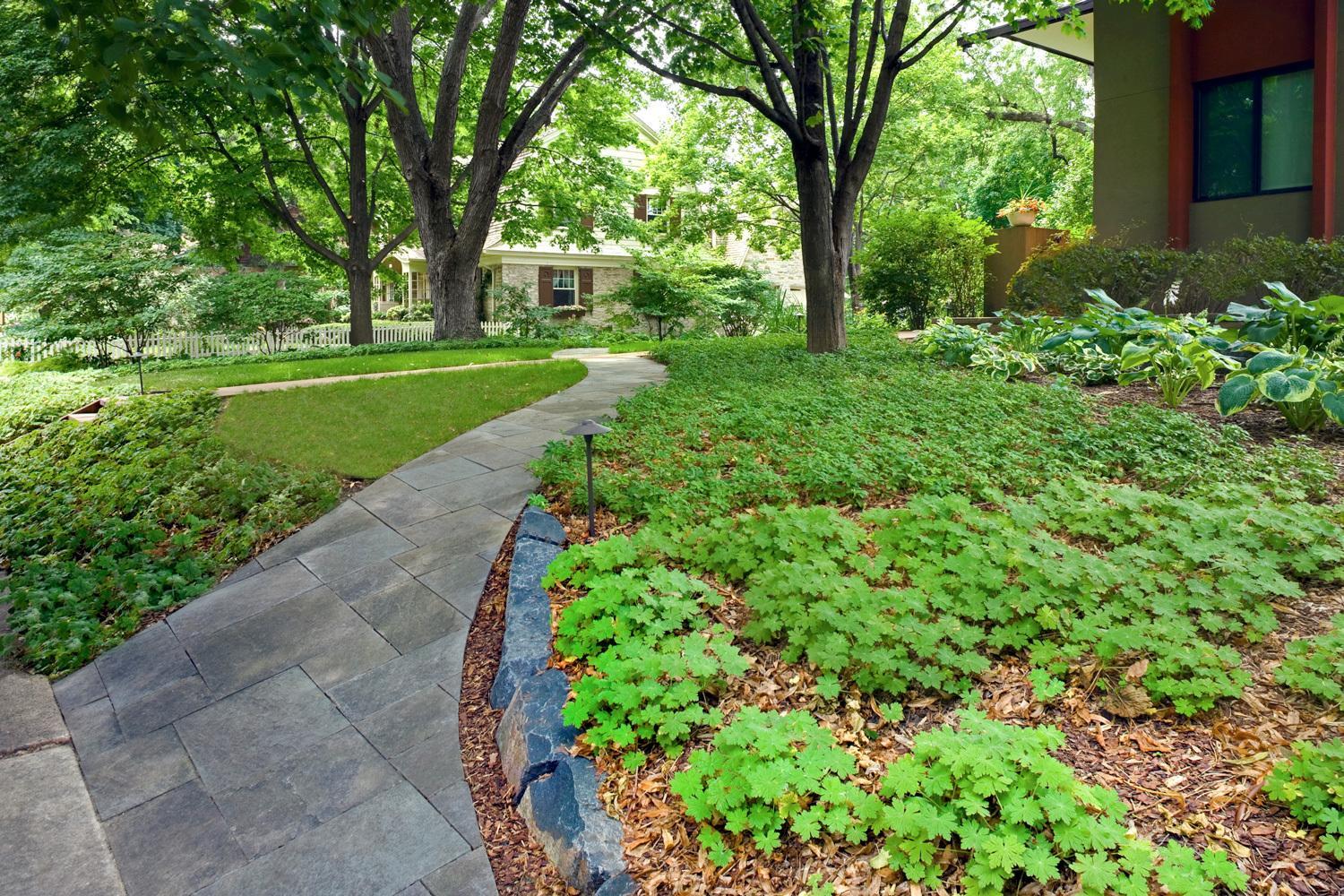
Bevans Variety Geranium (aka Hardy Bigroot Geranium) chokes out weeds and performs well in both full sun and full shade.
Rock
Consider implementing dry creek beds, boulders, and rock gardens. Rocks add texture and interest to your landscape and can double as a drainage solution for yards with challenging wet areas.
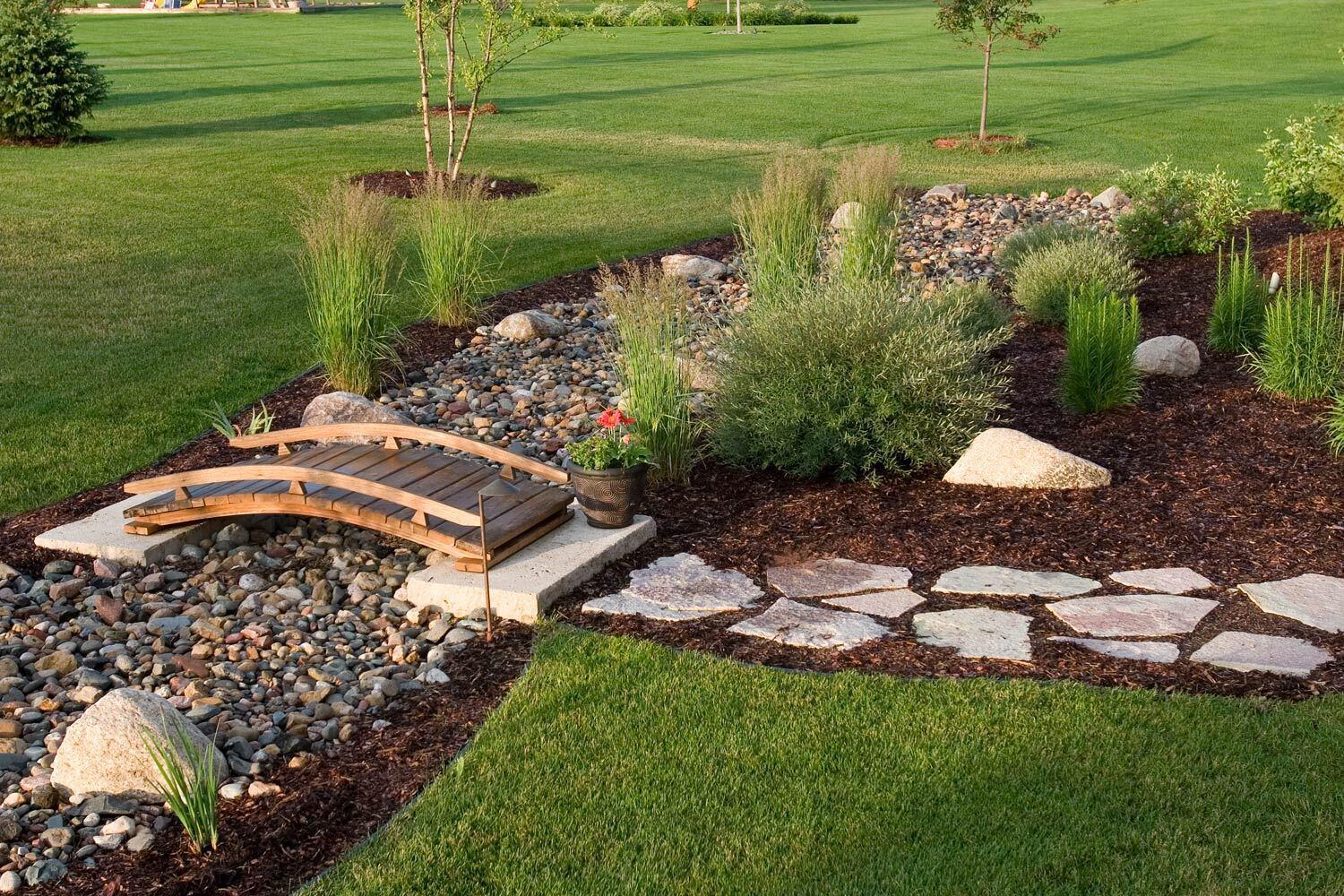
This dry creekbed with flagstone steppers and a cute little bridge doesn’t need mowing and provides essential drainage.
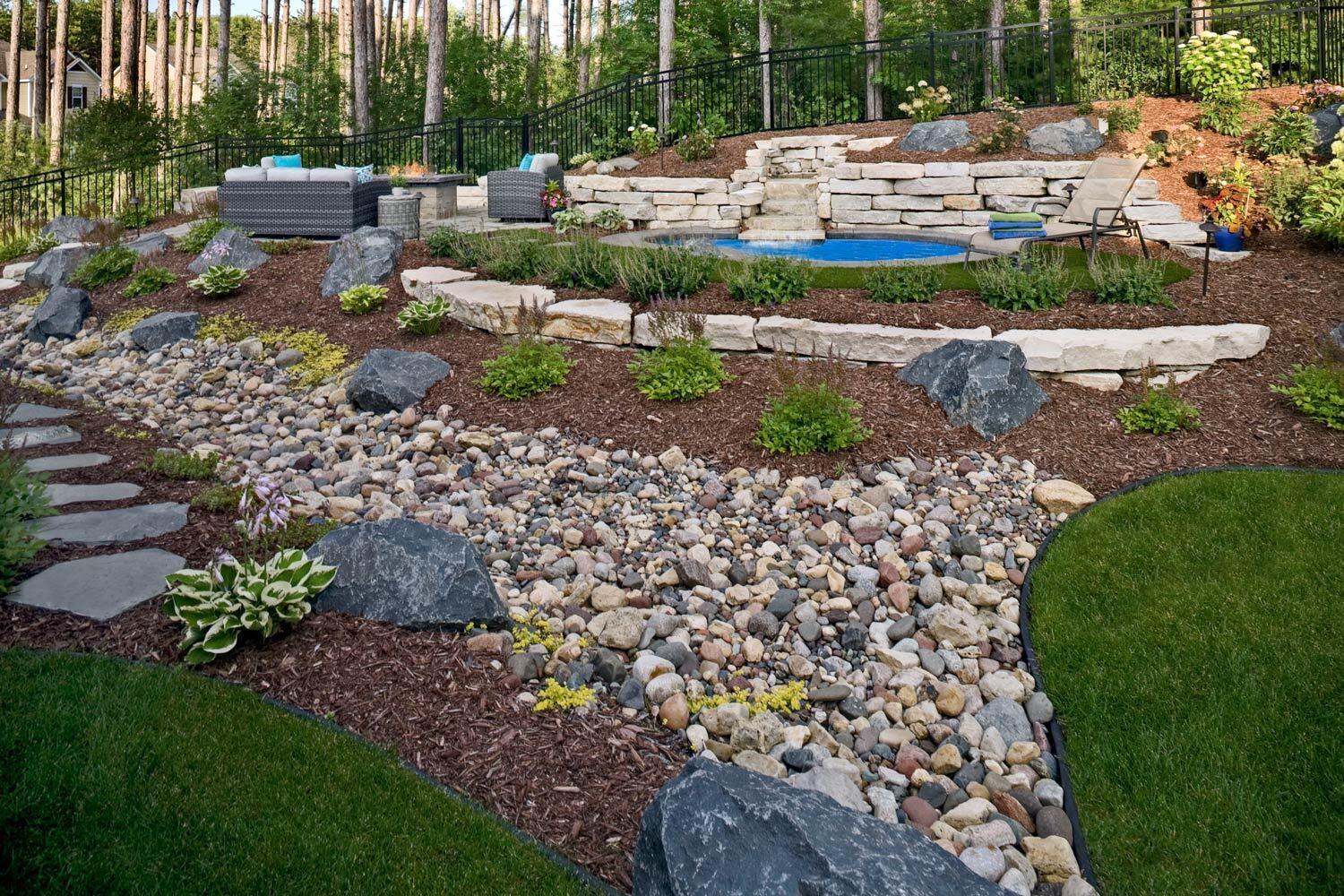
Mowing on a hill can be a pain. Grass can be replaced with a variety of landscape elements: rock, plantings, mulch, seating areas, and more.
Bee Lawns
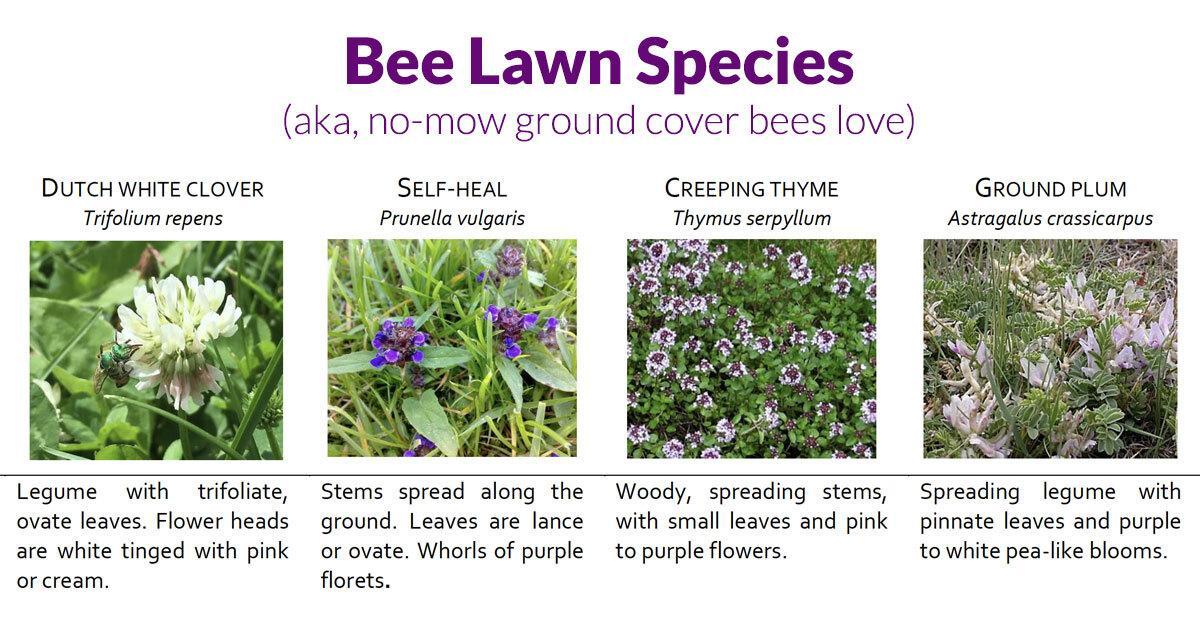
A bee lawn features flowering plants as well as turf grasses, with benefits to bees and pollinators.
Learn more from University of MN Bee Lab!
Environmental Impact of Sod
MAINTENANCE
Grass must be cut, and that usually means carbon emissions are released from the equipment that is used into the atmosphere. Did you know? The EPA says that 5% of all air pollution comes from mowing equipment.
FERTILIZATION
Regular fertilization leads to nitrification: the release of nitrogen as a gas into the air. Also, nitrogen leaches into groundwater and runs off into lakes and streams.
IRRIGATION
A large area of lawn takes a lot of water to keep it green. Using more drought-tolerant plants can drastically lower the amount of irrigation water needed.
For more information visit: https://psci.princeton.edu/tips/2020/5/11/law-maintenance-and-climate-change
Learn More
Lawn Maintenance and Climate Change, Jiahn Son, Princeton Student Climate Initiative
Tags: