
Vertical Gardening Guide | Minnesota: Elevate your Garden: A Guide to Vertical Gardening
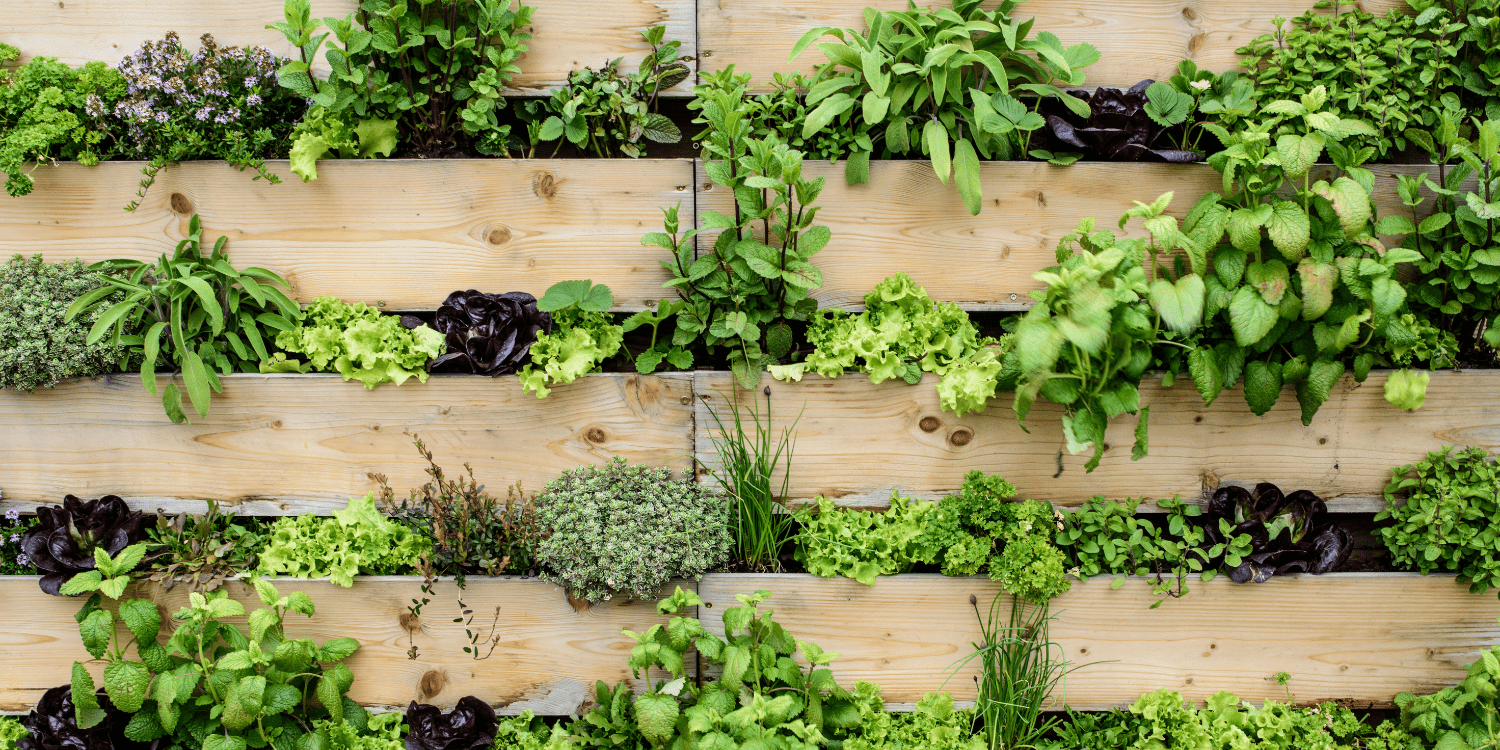
How to Create a Vertical Garden in Your Backyard
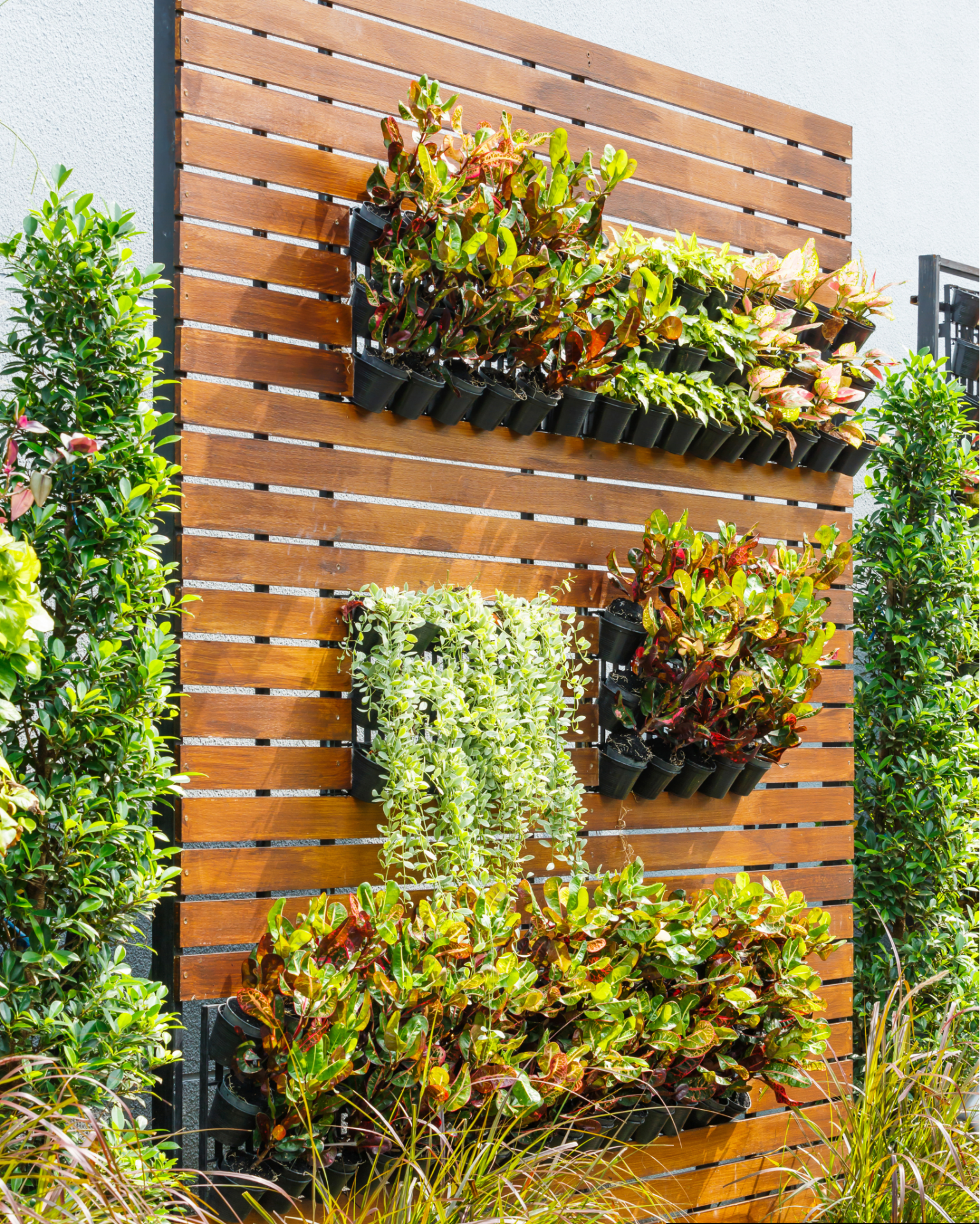
Whether you have a balcony, patio, or small backyard, vertical gardening allows you to make the most of your space and bring greenery into your living environment.
Vertical gardening has revolutionized the way we approach urban gardening, maximizing space and bringing nature into even the smallest of living environments. In this comprehensive guide, we’ll explore the ins and outs of vertical gardening, from design tips to plant selection, to help you create your own vertical oasis.
Why Vertical Gardening?
Vertical gardening offers numerous benefits, making it an attractive option for urban dwellers and garden enthusiasts alike. By utilizing vertical space, you can grow a variety of plants, herbs, and even vegetables, regardless of the size of your outdoor area.
Designing Your Vertical Garden
The key to successful vertical gardening lies in thoughtful design. Before getting started, consider factors such as sunlight exposure, wind patterns, and available space. Choose a location that receives adequate sunlight for the types of plants you wish to grow, and ensure that your vertical garden is securely anchored to a wall or support structure.
When it comes to design, the possibilities are endless. You can opt for a sleek and modern look with modular panels or get creative with repurposed materials such as pallets or gutter systems. You can go the DIY route, or purchase a vertical gardening system online. Consider incorporating vertical elements such as trellises, hanging baskets, or tiered shelves to add depth and visual interest to your garden.
Selecting Plants for Vertical Gardens
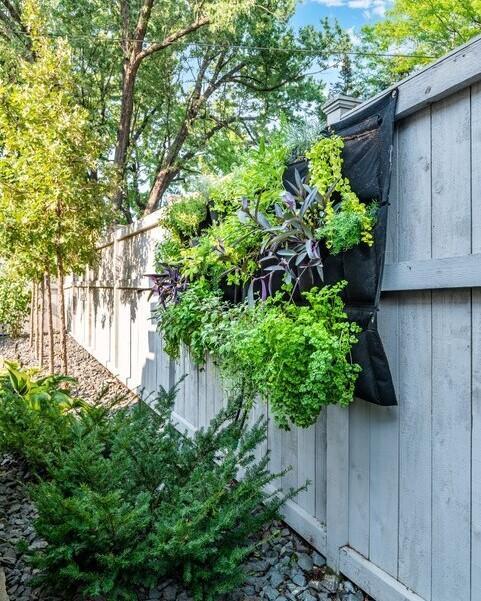
Felt pocket planters offer a simple entry point into vertical gardening and are readily available for purchase online.
When selecting plants for your vertical garden, it’s essential to choose varieties that are well-suited to vertical growing conditions. Look for plants with shallow root systems and compact growth habits, such as succulents, herbs, ferns, and trailing vines. Mix and match different plant species to create a dynamic and visually appealing display, taking into account factors such as light requirements, water needs, and compatibility. Remember to use high-quality well-drained potting soil.
Maintaining Your Garden
Like any garden, vertical gardens require regular maintenance to thrive. Keep your vertical garden healthy by watering plants as needed, fertilizing periodically, and monitoring for pests and diseases. Prune plants to promote healthy growth and remove any dead or damaged foliage. Consider rotating plants occasionally to ensure even sunlight exposure and prevent overcrowding.
Enjoying the Benefits of Vertical Gardening
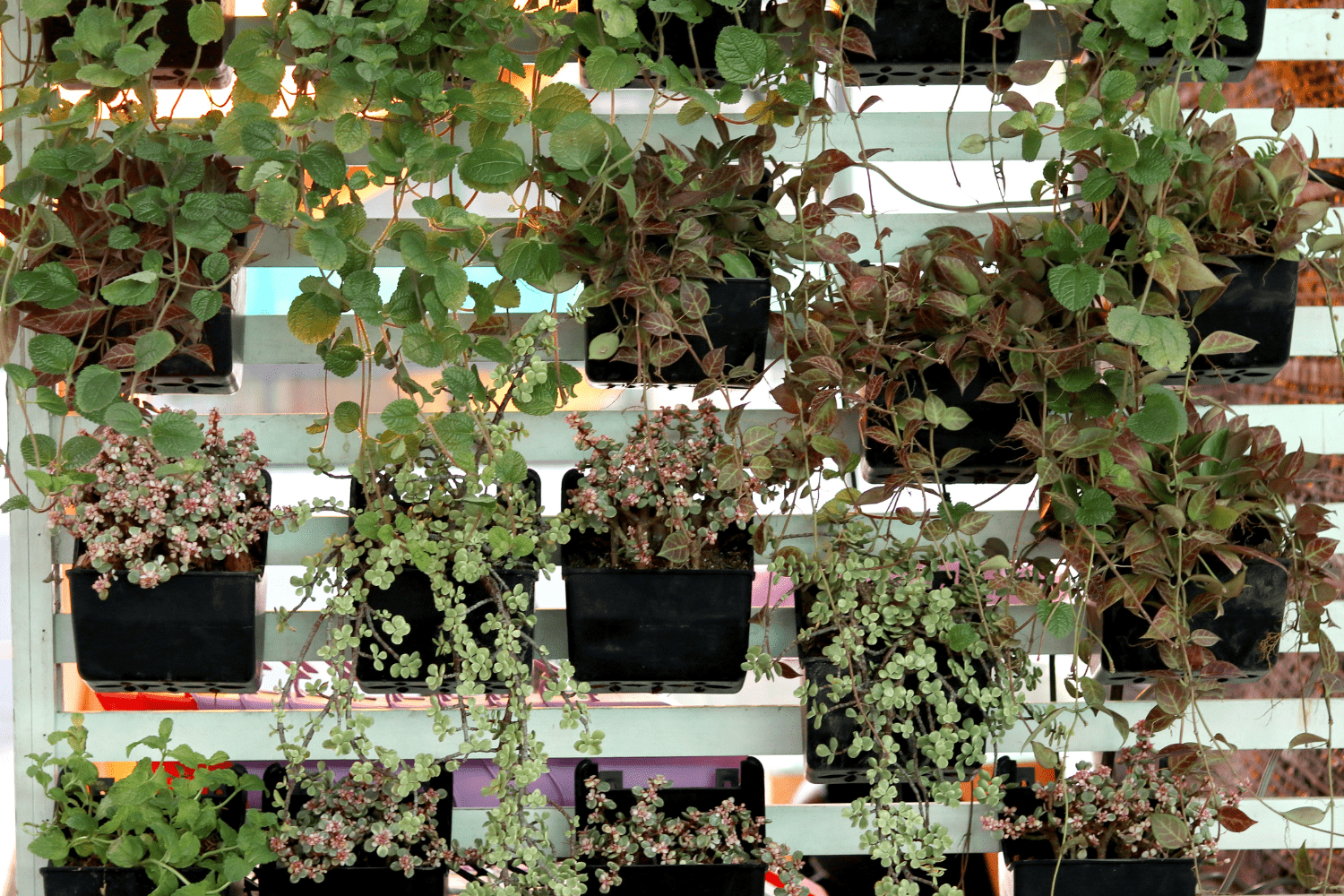
Vertical gardening offers beginners a fantastic entry point into gardening, providing a manageable and rewarding way to cultivate plants while maximizing space and creativity.
With a little planning and creativity, vertical gardening offers a wealth of benefits for gardeners of all skill levels. Not only does it allow you to grow a wide variety of plants in limited space, but it also adds beauty, freshness, and a sense of tranquility to your living environment. Whether you’re growing herbs for cooking, flowers for decoration, or vegetables for harvest, vertical gardening offers a sustainable and rewarding way to connect with nature and enhance your outdoor space.
Vertical gardening is a versatile and practical solution for urban gardeners looking to make the most of their space. By following these tips and guidelines, you can create your own vertical oasis and enjoy the beauty and benefits of gardening in any environment. So, roll up your sleeves, unleash your creativity, and let your garden reach new heights with vertical gardening!
Tags: