What Should You Do to Your Landscape After Buying a New Home in Minnesota?
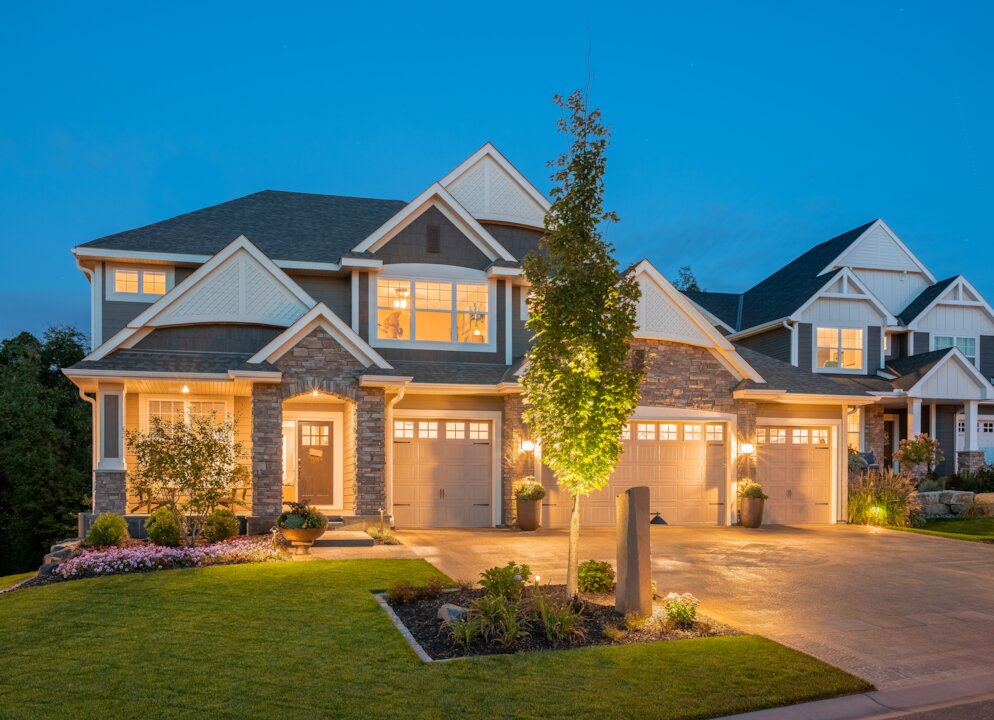
Buying a new home comes with a long checklist — inspections, moving boxes, paint colors, furniture placement, and settling into a new routine. Landscaping is often overlooked during those first few months, but your outdoor environment plays a major role in both the long-term performance of your property and how you experience your home day to day.
Whether you’ve purchased a newly built home or an established property, taking a thoughtful approach to your landscape early can help protect your investment, avoid costly issues later, and create a stronger long-term plan for your outdoor spaces.
Start by Observing the Property
One of the most common mistakes homeowners make is rushing into major landscape changes immediately after moving in. In Minnesota, landscapes behave very differently throughout the seasons, and it’s important to understand how your property functions before making significant investments.
Pay attention to:
- drainage and standing water after rain
- areas with excessive sun or shade
- snow accumulation and melt patterns
- traffic flow and how outdoor spaces are actually used
- mature tree and plant health
- irrigation coverage and performance
Living with the property for a short period often reveals opportunities and issues that may not have been obvious during the home buying process.
Prioritize Drainage and Site Performance
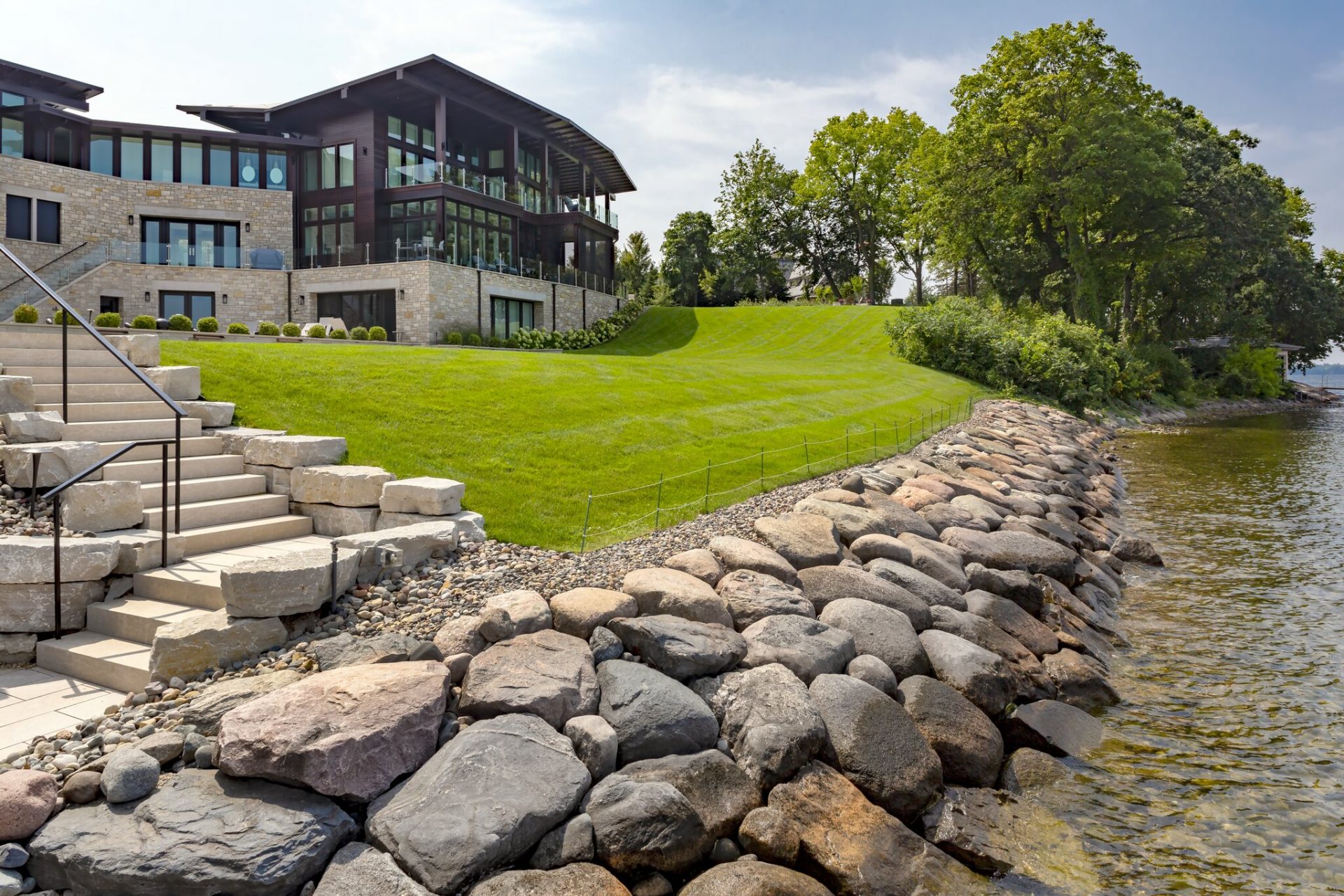
Before focusing on aesthetics, it’s important to ensure the landscape is functioning properly.
Water management issues are extremely common in Minnesota and can lead to:
- lawn damage
- foundation concerns
- erosion
- unhealthy plant material
- unusable outdoor spaces
If you notice pooling water, inconsistent grading, overflowing gutters, or drainage concerns, addressing those items early can prevent much larger issues down the road.
A professional landscape evaluation can help identify underlying site conditions and prioritize improvements appropriately.
Evaluate Existing Plant Material
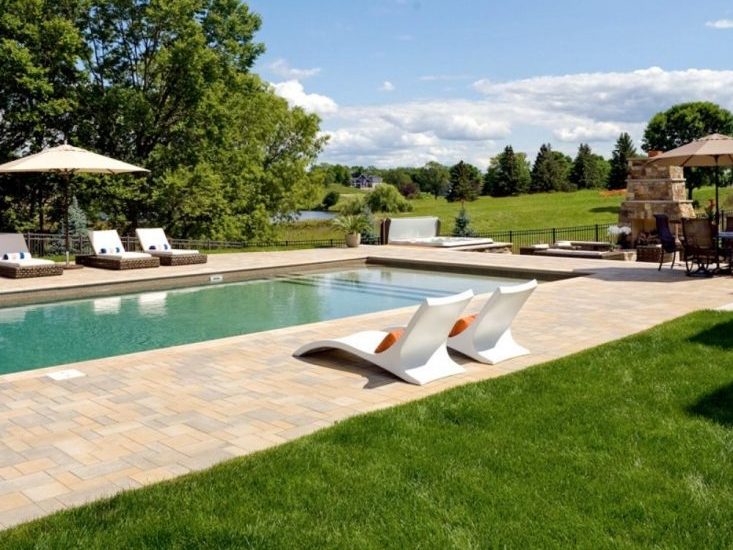
Established landscapes often contain valuable mature trees and plantings that simply need proper care and maintenance. Before removing large portions of a landscape, it’s worth evaluating what can be preserved, improved, or enhanced over time.
Focus on:
- tree health and pruning needs
- overgrown or crowded plantings
- invasive species
- seasonal maintenance requirements
- opportunities for enhancement rather than full replacement
A thoughtful stewardship approach can often improve the overall appearance and health of a property without requiring a complete redesign immediately.
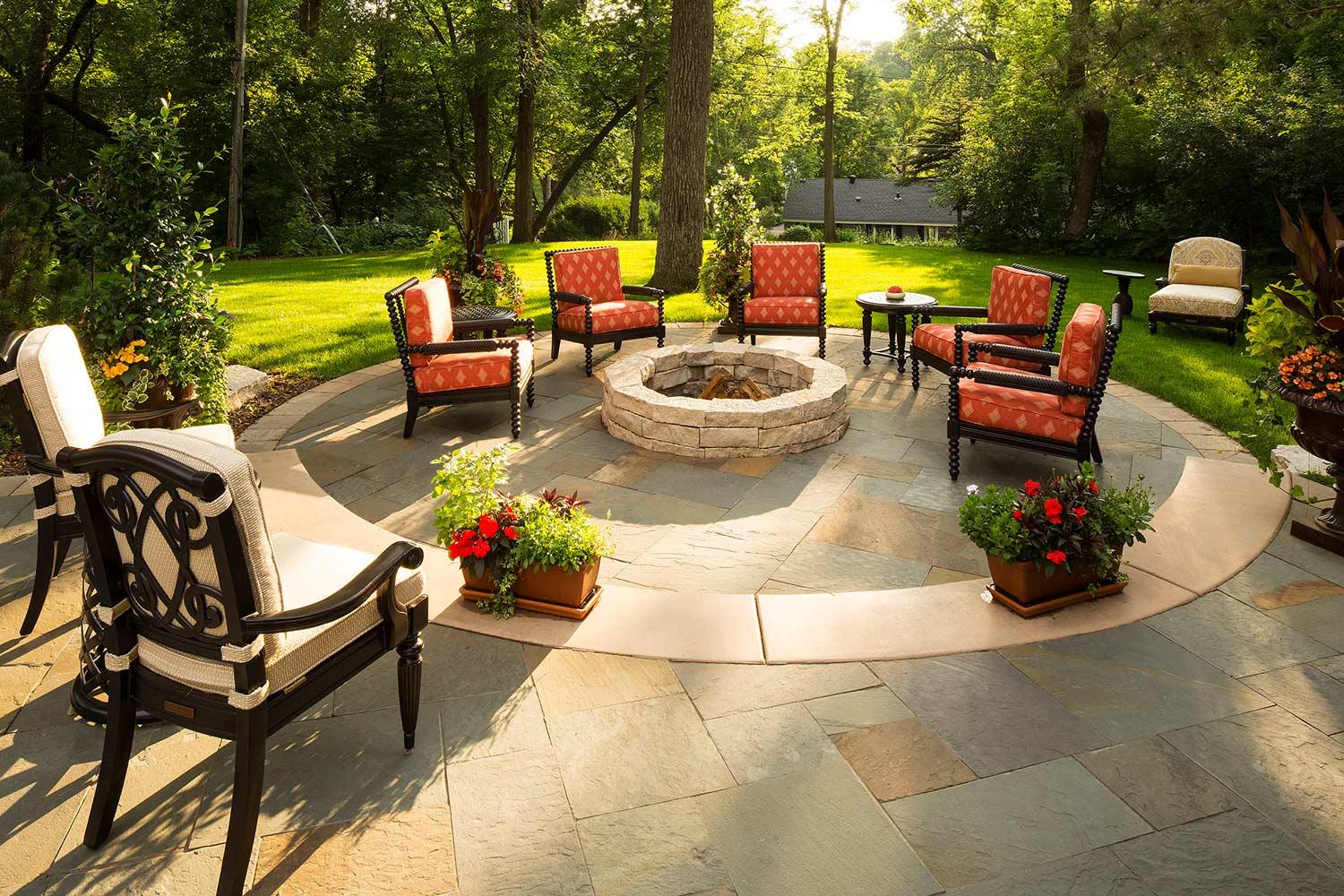
Think About How You Want to Live Outdoors
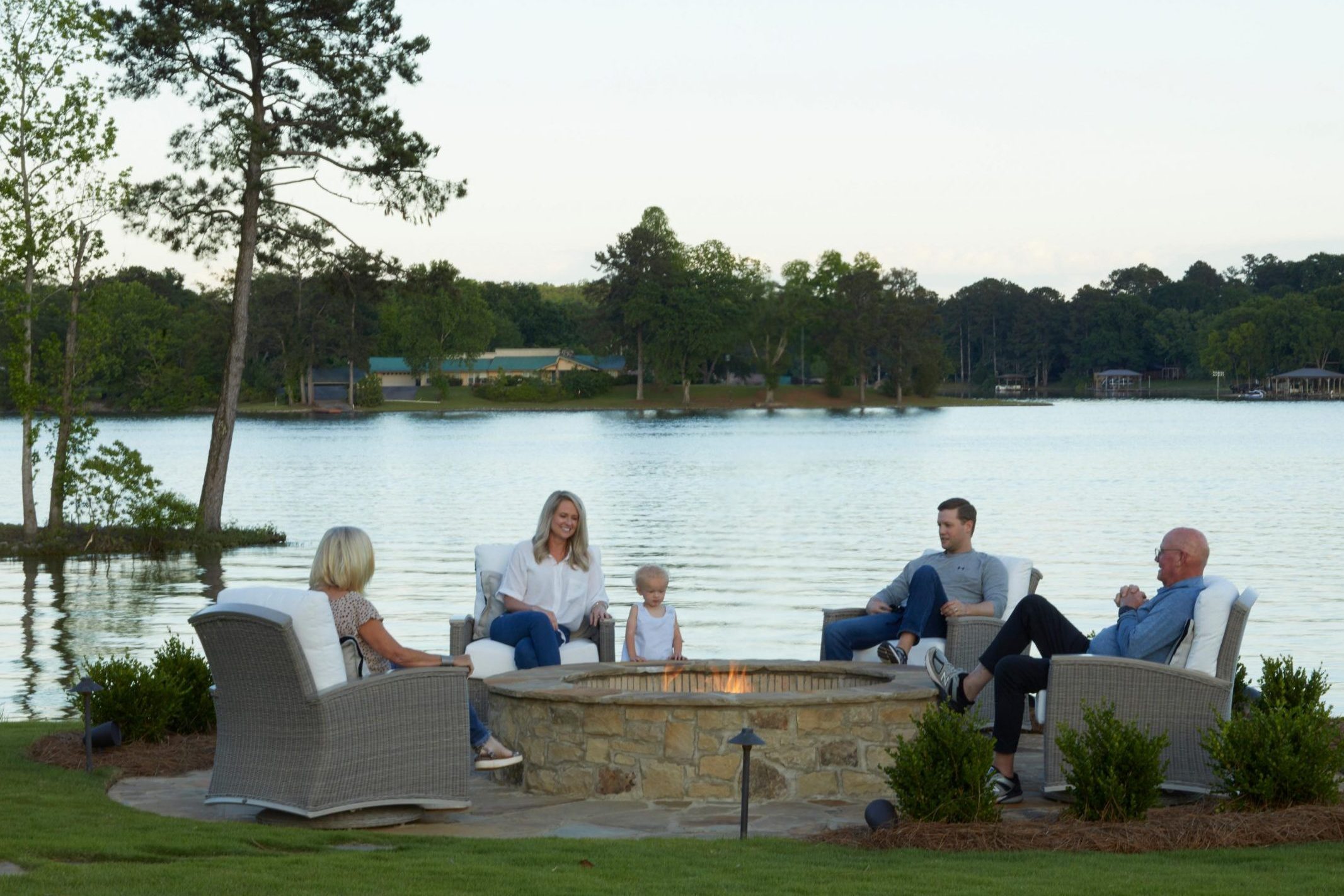
Once the foundational performance of the landscape is understood, you can begin thinking about long-term outdoor living goals.
Consider:
- how you entertain
- whether you want dining or lounge areas
- privacy needs
- lighting and evening use
- maintenance expectations
- recreation spaces for family or guests
The best outdoor environments are designed around how homeowners actually live — not simply around trends or isolated features.
Create a Long-Term Landscape Plan
You do not need to complete everything at once.
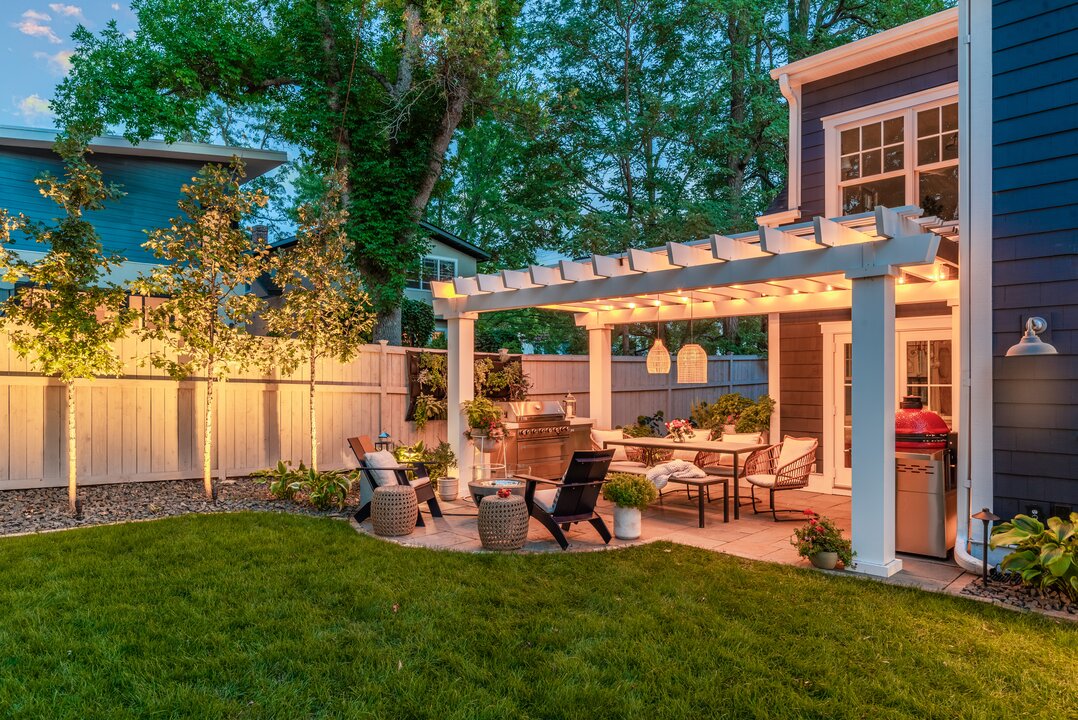
Many successful landscape projects are approached in phases, allowing homeowners to prioritize investments over time while still working toward a cohesive long-term vision.
A phased approach can help:
- spread investment over multiple seasons
- align improvements with how the property evolves
- avoid reactive or disconnected projects
- ensure future enhancements work together cohesively
Having an overall master plan creates clarity and helps prevent costly rework later.
Consider Ongoing Landscape Stewardship
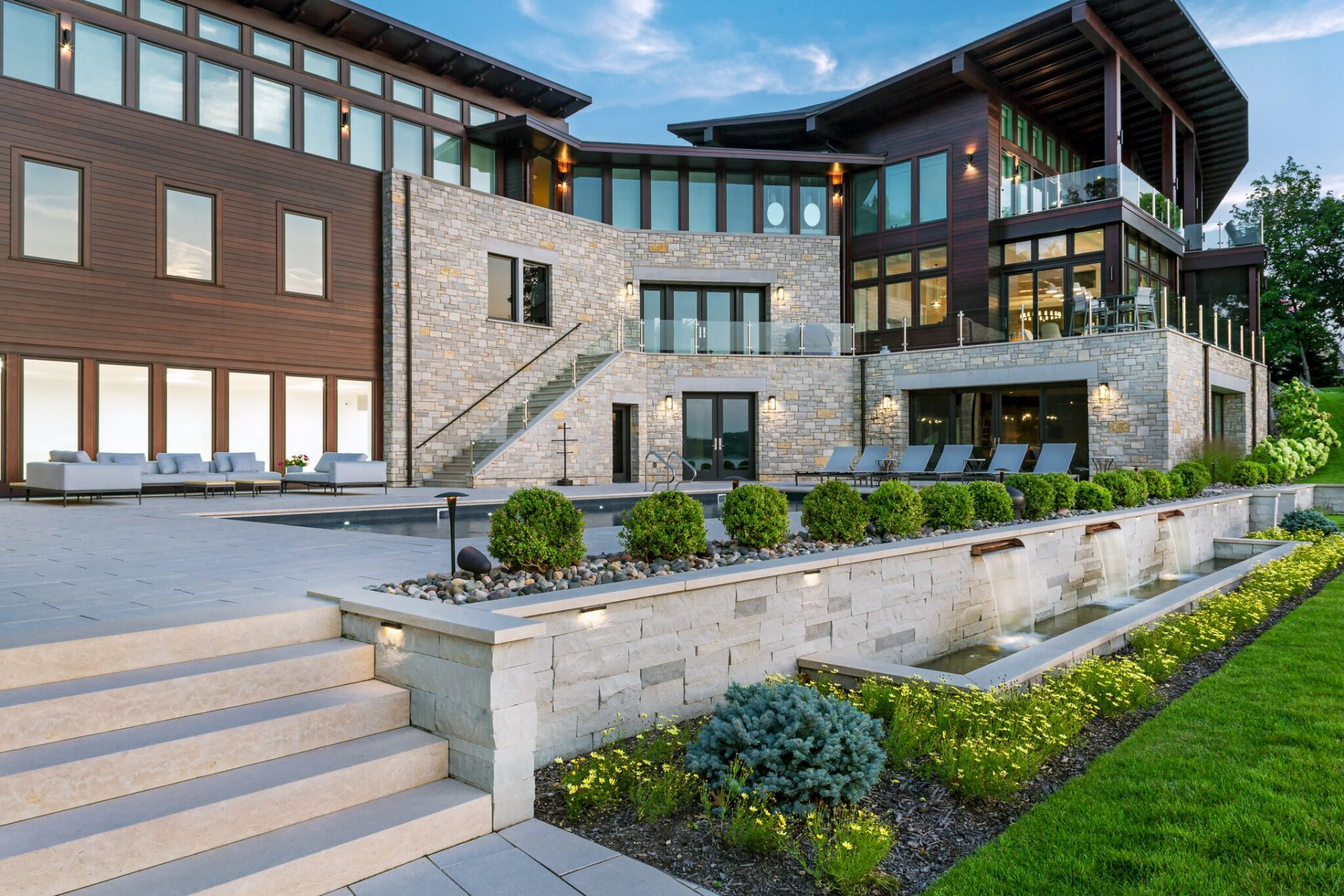
Landscapes are living environments that continue evolving long after installation. Ongoing maintenance, irrigation management, seasonal services, and proactive care all play an important role in protecting the long-term value of your investment.
For many homeowners, establishing a relationship with a professional landscape partner early provides continuity, guidance, and long-term property stewardship as needs evolve over time.
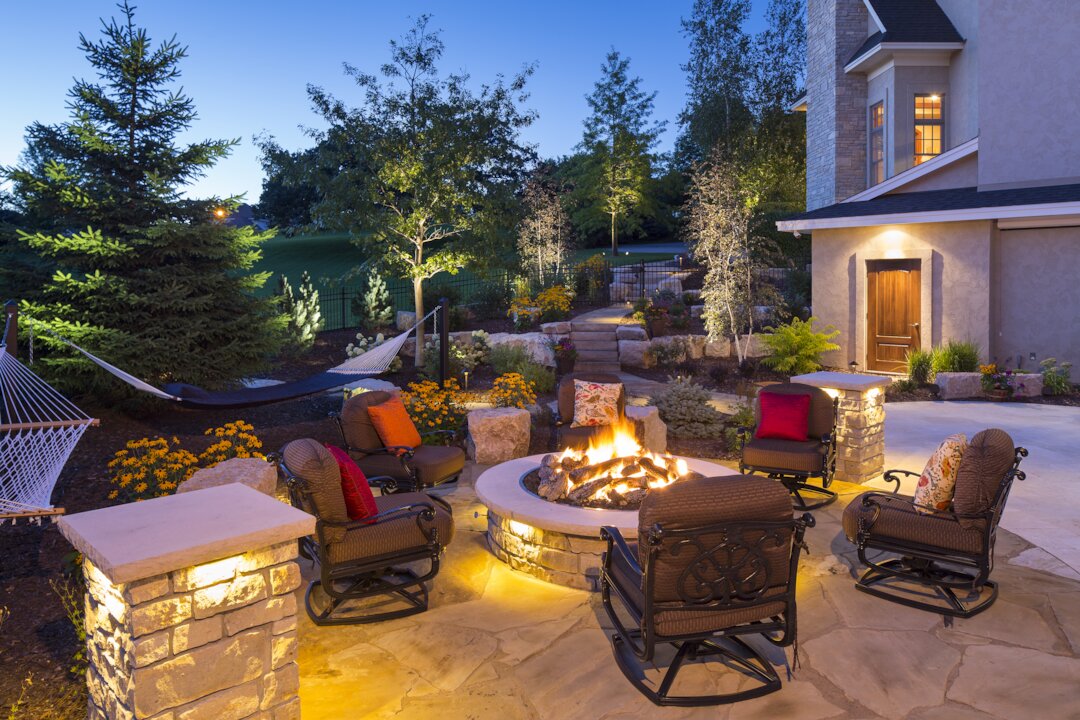
A Thoughtful Start Makes a Difference
A new home is more than the structure itself — it’s the entire environment surrounding it. Taking time to understand your landscape, prioritize performance, and create a thoughtful long-term plan can help ensure your outdoor spaces continue improving year after year.
At Southview Design, we help homeowners throughout the Twin Cities create, maintain, and steward landscapes designed for how they live.